As COP31 opens in Antalya, Türkiye, the question facing negotiators is whether the world’s climate commitments can become projects that actually get built.
For the UAE and Kenya, this is not an abstract debate. It is the next phase of a partnership with the potential to connect Kenya’s renewable energy resources and development ambitions with Emirati capital, technology and investment expertise.

COP29 established the ambition to scale climate finance for developing countries from public and private sources to at least $1.3 trillion annually by 2035. COP30 carried that ambition forward through the Baku-to-Belém process, alongside a call to triple adaptation finance by 2035. These are significant commitments, but their value will ultimately depend on whether countries can translate them into reliable electricity, stronger food systems and more resilient economies.
Kenya is well positioned to demonstrate what this could look like. Its geothermal resources provide a strong foundation for renewable electricity, while its ambitions in manufacturing, agriculture and digital services create opportunities to turn that energy into wider economic growth. Realising this potential requires long-term investment and partners able to help projects navigate the technical and commercial challenges between an initial agreement and operation.
This is where the United Arab Emirates can make a meaningful contribution. The UAE brings experience in developing renewable energy, financing infrastructure and applying technology to challenging environments. For Kenya, these capabilities offer a basis for cooperation that extends beyond funding individual assets to supporting the industries and services that depend on them.
Geothermal energy is one promising area. Dubai-based AMEA Power has been pursuing development at Paka, working through the processes needed to establish a viable power project. Kenya’s wider geothermal pipeline, including the phased development envisaged at Suswa, illustrates the scale of the opportunity for investors with the expertise and appetite to support long-term energy infrastructure.
The significance extends beyond electricity generation. Reliable geothermal power could support industrial parks, processing facilities and digital infrastructure, giving Kenya a stronger platform for investment and employment. Emirati participation can help connect these opportunities, bringing energy development into a broader conversation about economic transformation.
The digital sector offers an example of that ambition. Microsoft and Abu Dhabi-based G42 announced an initiative in 2024 that included a planned geothermal-powered data centre at Olkaria. The proposal highlighted the potential to combine Kenya’s renewable resources with international expertise in cloud computing and artificial intelligence. Delivering such infrastructure requires sufficient power and workable commercial arrangements, but the underlying opportunity remains compelling: a digital economy supported by clean, reliable energy.
Agriculture provides another important dimension. Al Dahra’s February 2025 memorandum of understanding envisaged investment of up to $800 million over a decade in irrigated farming at Galana-Kulalu, subject to technical due diligence and the completion of supporting infrastructure. Alongside capital, the company brings experience in arid-climate farming and water management that could support Kenya’s food-security ambitions.
If developed with sustainable water use and benefits for surrounding communities, such cooperation could strengthen agricultural production, create employment and support local processing businesses. It also demonstrates why the UAE’s contribution should be understood through the combination of finance and practical expertise it can bring to Kenya’s development priorities.
These initiatives are at different stages, and their announced values should not be confused with investment already delivered. Yet they provide a substantive foundation for cooperation. The task now is to help viable projects advance through feasibility studies, approvals and financing into construction and operation.
COP31 offers an opportunity to accelerate that process. Kenya and the UAE could build on their existing cooperation by identifying a focused pipeline of priority projects, with clear sponsors, financing requirements and delivery milestones. This would give investors greater visibility over the opportunities while helping both governments identify where coordinated action could make the greatest difference.
For some projects, the immediate need may be funding for technical studies. For others, it may be a credible power-purchase agreement, a targeted guarantee or investment in transmission and water infrastructure. Matching these instruments to specific barriers would help turn political commitment into commercially workable projects, while keeping public obligations transparent.
Commercial viability and development impact should reinforce each other. Investors need a reasonable return, while Kenya needs affordable services, employment and stronger productive capacity. Projects that respond to those needs are better placed to build lasting public support and sustain the partnership over time. Commercial investment should also complement the grants and concessional finance needed for adaptation and communities facing climate-related loss and damage.
For Kenya, the opportunity at COP31 is to present its investment priorities with a clear account of what is ready, what needs support and what benefits delivery would bring. For the UAE, it is a chance to demonstrate how its investment capabilities can help an African partner advance nationally defined ambitions in energy, food security and technology.
The $1.3 trillion ambition will acquire meaning through projects that reach financial close, begin construction and deliver services people can use. The UAE and Kenya have an opportunity to contribute a practical example of that progress. Antalya is a place to strengthen the partnership and establish the next steps that will turn its promise into lasting development gains.
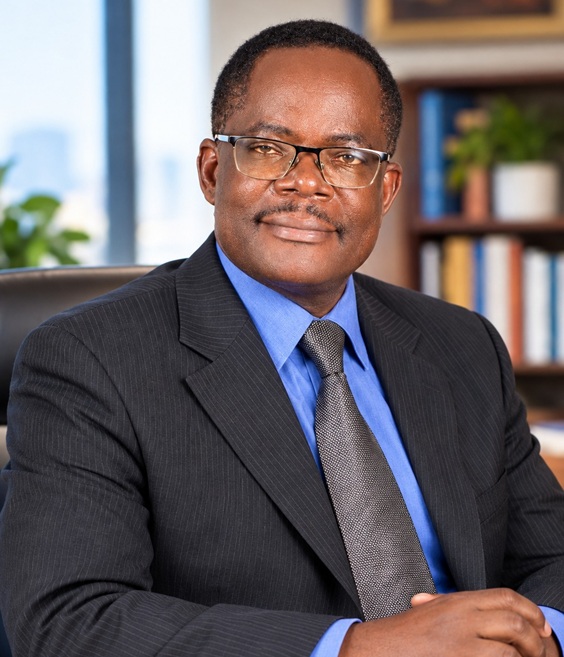
Zachary Ochieng is a Global Communications Strategist and commentator on climate change, working at the intersection of climate finance, energy transition and Africa-Gulf economic cooperation.