
The 14th edition of the Kalasha International Film and TV Market Festival has opened with renewed focus on strengthening the structure of Kenya’s creative sector, as industry leaders and government officials call for urgent reforms to unlock its full economic potential.
Organised by the Kenya Film Commission in a bid to position Nairobi as a regional hub for film and television, the week-long event brings together filmmakers, distributors and key stakeholders in an open market designed for connection, collaboration and opportunity.


In attendance during the opening ceremony was Cabinet Secretary for Youth Affairs, Creative Economy and Sports Salim Mvurya, who described the platform as one of the continent’s most influential industry gatherings.
“Kalasha International Film & TV Market and Festival has become one of Africa’s most influential platforms, bringing together creatives, industry leaders, and decision makers,” he said.
In his speech, CS Mvurya emphasised that government intervention will continue to be key to sustaining growth in the sector.
“As a Ministry, we recognise that the growth of the creative economy does not happen by chance. It requires deliberate policy formulation, strategic investment and strong institutional support,” he said.
He added that efforts are underway to anchor the industry in law through the Creative Economy Bill 2026.
“We are advancing a robust policy and legislative framework to unlock the full potential of this sector. At the centre of this sector is the Creative Economy Bill 2026, which is a landmark piece of legislation designed to formalise, support and regulate the creative industry.”
Highlighting its economic potential, Mvurya said, the sector, while not well-organised in Kenya, is the next economic frontier.
“The creative economy is the next frontier of economic growth. It holds immense potential to create jobs, generate income and power the youth of our country… Kenya’s creative economy sector is contributing 5% to the national economy. With the legal frameworks in place, we know that this sector can power our national economy.”
He added that globally, the creative economy is projected to contribute at least 10 per cent of economic output by 2030.

Celebrating the growth of the sector, Principal Secretary Fikirini Jacobs echoed the CS’s sentiments, noting that it has evolved into a serious industry attracting continental attention.
“Gone are the days when the creative economy space would appear as a hobby; today, the creative economy has now attracted the necessary attention that makes it qualify to be an industry worth our celebration… worth travelling all the way from many countries across Africa and beyond to come to Nairobi for the Kalasha Film Festival,” he said.
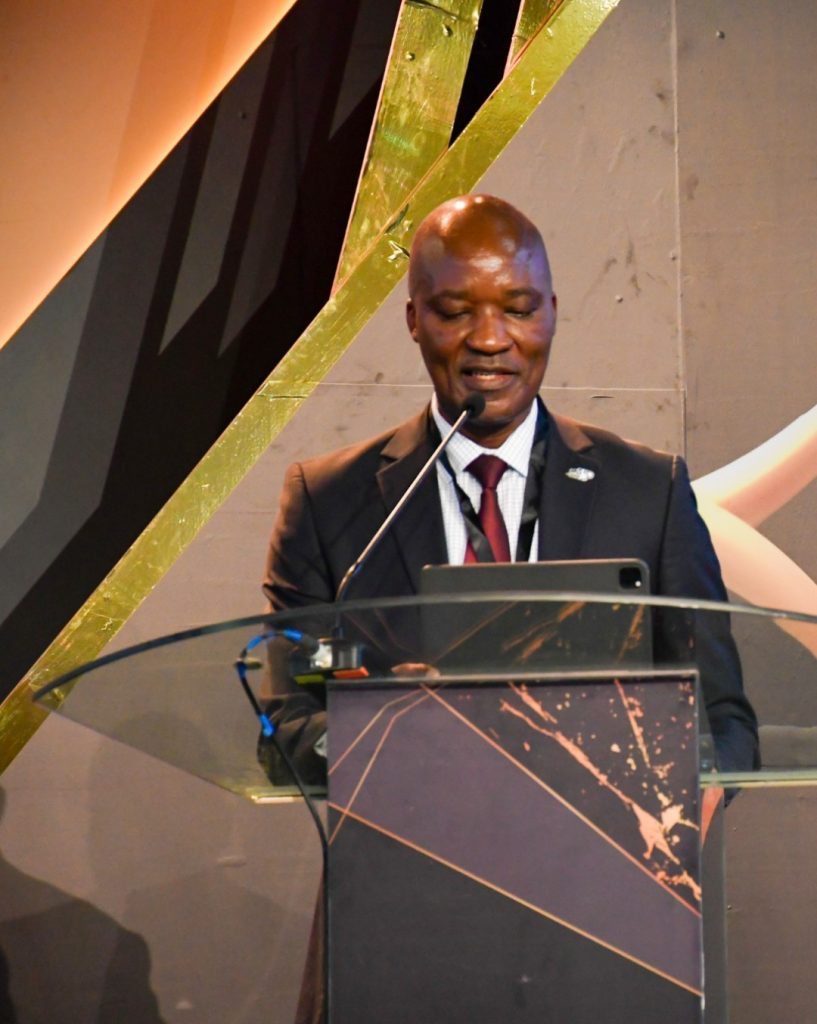
However, in his speech, the Kenya Film Commission CEO Timothy Owase cautioned that talent alone will not sustain the industry without addressing systemic gaps and structural issues.
“Talent alone does not build an industry; what builds an industry is structure,” he said. “If we look closely, the challenge is not creative or the creative industry, it is systemic. We see strong projects that struggle to access financing, content that is produced but not effectively distributed or monetised, a growing workforce but gaps in specialised skills, increased demand but limited infrastructure to support scale. And critically, we lack consistent data to guide decisions, measure growth and attract investment.”
He further urged stakeholders that moving forward, Kenya needed to focus on five key issues to enable the growth of the film sector. These include financing, Infrastructure, Skills and capacity, Ease of doing business and Data.
The festival will continue until May 2, ending in the annual Kalasha award ceremony gala.