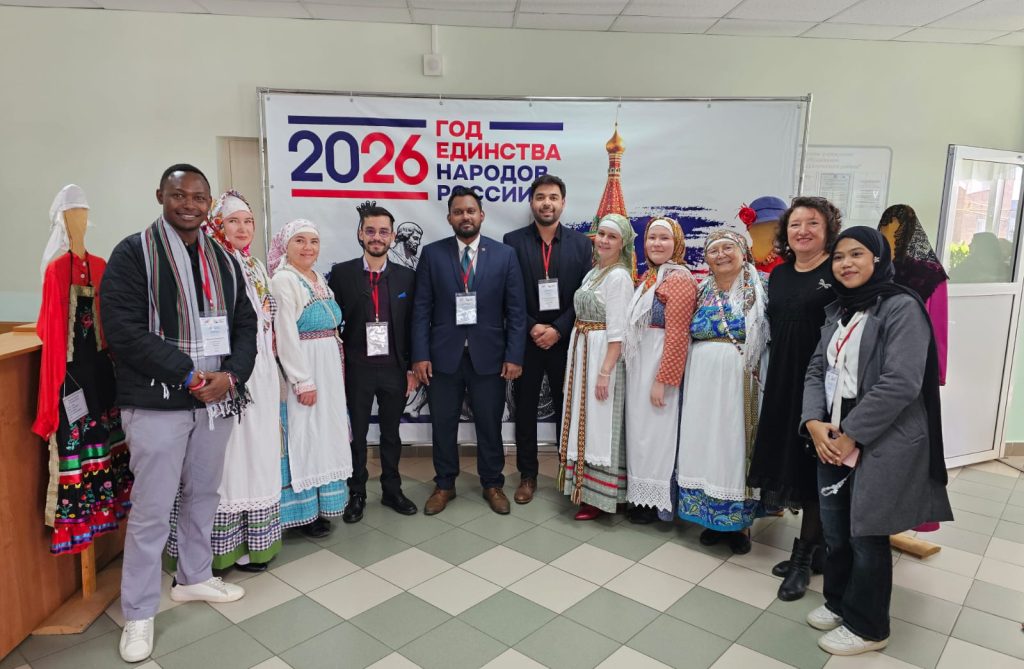
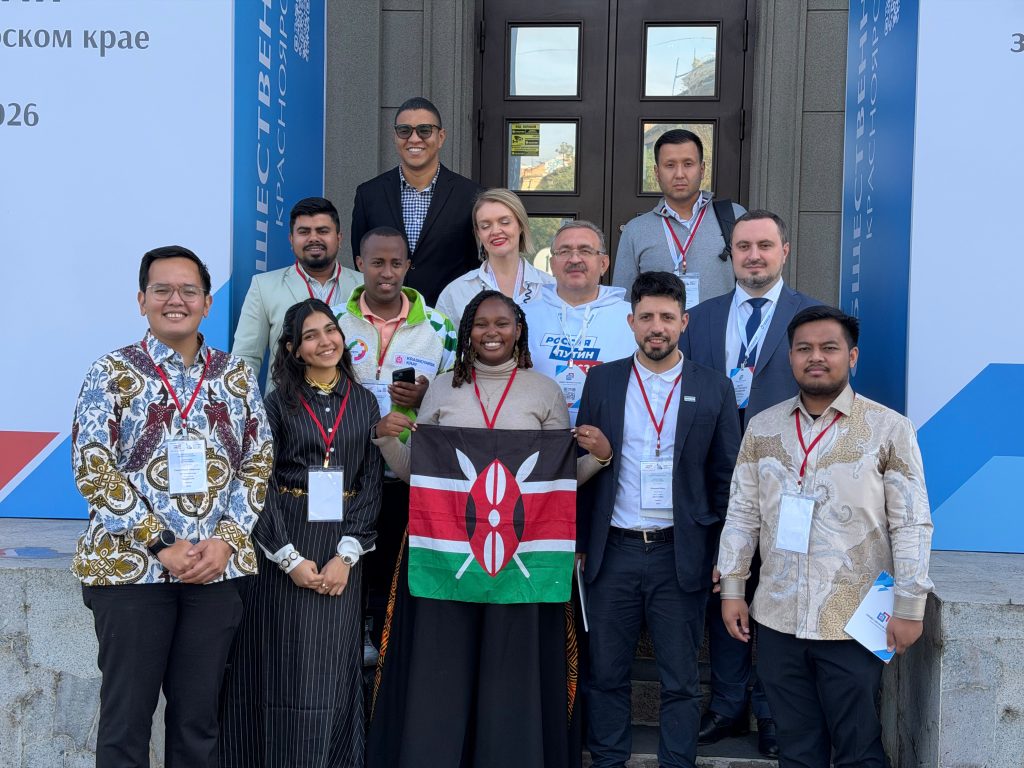
Kenyan youth are among African observers participating in the monitoring of Russia’s State Duma elections (parliamentary elections) across different regions of the country.
The observers are part of the election observation mission organised through the CIS Interparliamentary Assembly.

Kenyan youth joined representatives from nine African countries, including Mali, the Democratic Republic of Congo, Tanzania, Uganda, Seychelles and Equatorial Guinea, are taking part in the mission.
The youth were part of a delegation of 30 Kenyan youth who participated in the just concluded International Youth Festival 2026 from 11th to 17th September, before travelling to different regions of Russia to take part in the election observation programme.
The observers are visiting polling stations to learn about Russia’s electoral processes, engage with electoral officials and monitor voting procedures.
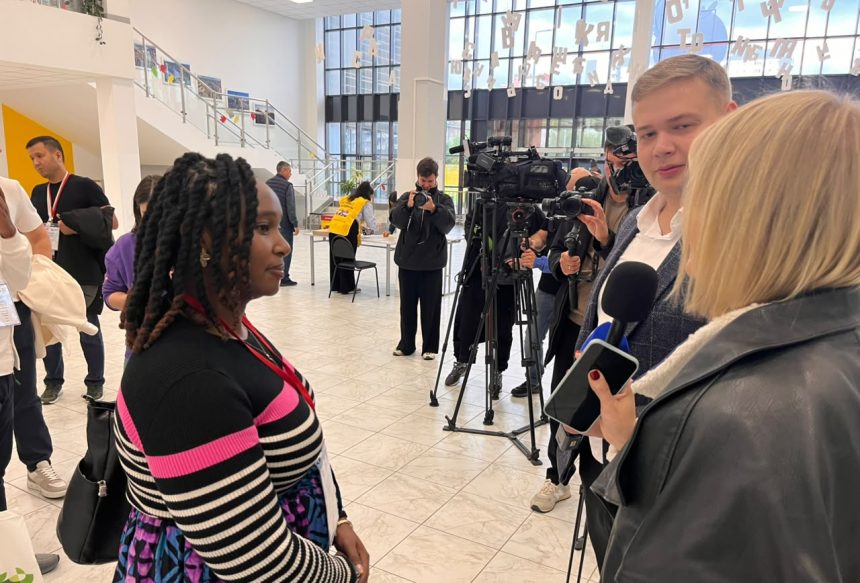
KBC Digital interviewed a Kenyan youth observer participating in Russia’s State Duma elections, Makayla Mwamba who highlighted some of the similarities and differences between the Russian and Kenyan electoral processes after visiting several polling stations earlier Sunday.
Makayla, who is part of an international election observation mission, said the experience provided an opportunity to see firsthand how voting is conducted in different regions of Russia and compare the processes with those in Kenya.
According to Makayla, voters in Russia use passports for verification and identification at polling stations, instead of voter identification cards.
“Earlier today going around the polling stations to see how the Russian election works and comparing it to our country. Here instead of voters using Identification cards (ID) they use passports for verification,” said Makayla.
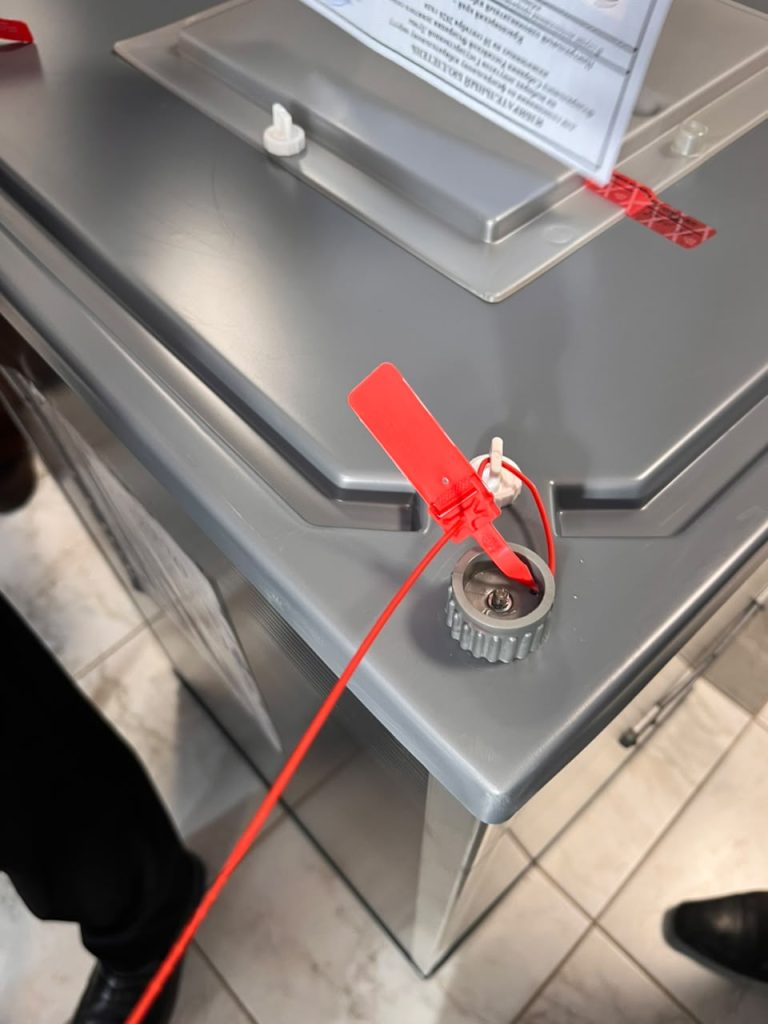
She noted that the voters do not use identifiable markers to indicate that they have voted as is the case in Kenya adding that voting period is three days.
“One thing that stood out for me is that voting takes place over three days, from Friday to Sunday, which gives voters more time to participate. For people who cannot physically make it to a polling station, there is an app where they can register. Election officials, together with independent party observers and police, then go to the voter and take the ballot to them,” she said.
Further, Makayla who is in Krasnoyarsk region noted that what stood out for her was the fact that at every polling station, there is also information about the different parties and candidates, including their date of birth, place of residence, income and properties. This gives voters an opportunity to learn more about the candidates before casting their vote.
Russian Embassy in Kenya voting
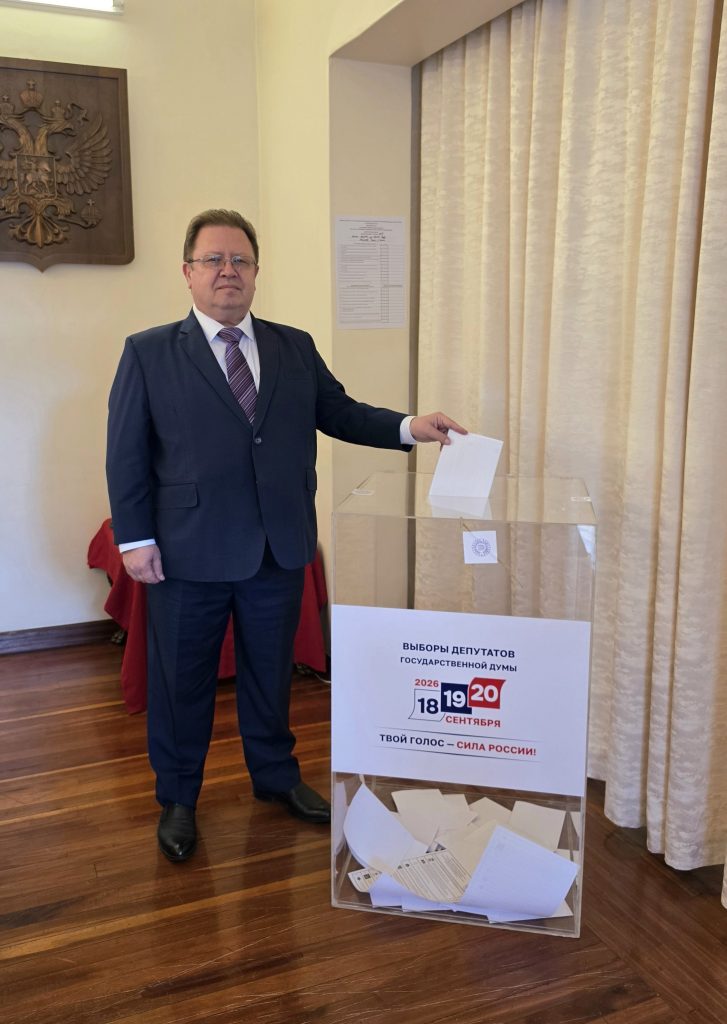
In Kenya, voting is currently taking place today, Sunday 20th September at the Russian Embassy for Russian citizens in Kenya.
Ambassador of Russia to Kenya Amb. Vsevolod Tkachenko has already cast his vote.
State Duma
The State Duma is the lower house of Russia’s Federal Assembly, while the Federation Council is the upper house. The State Duma elections are parliamentary elections held to elect 450 deputies to the lower house.
Legislative elections have been underway in Russia from 18 to 20 September 2026, to elect all 450 seats of the State Duma, the lower house of the Federal Assembly. Going into the election, United Russia is the incumbent and largest party with 324 seats.