King Mohammed VI has laid out five priorities for Morocco’s transition following the end of MINURSO’s mandate, assigning the Interior Ministry responsibility for coordinating the UN mission’s withdrawal while ordering civilian and military authorities to maintain security, uphold the ceasefire, and continue development projects in the Sahara.
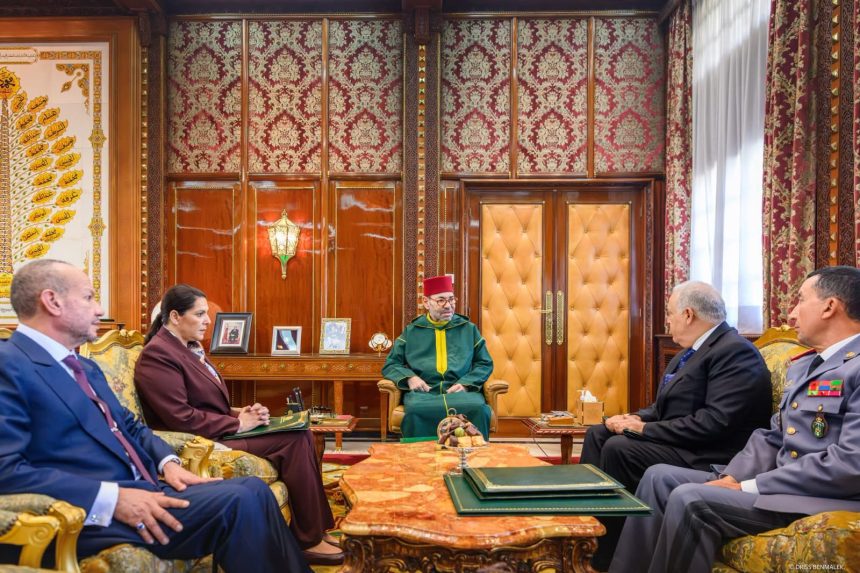
The directives emerged from a working session at the Royal Palace in Rabat on Wednesday, November 4, following the UN Security Council’s failure to renew MINURSO’s mandate on October 30.

The meeting brought together Head of Government Fatima Ezzahra El Mansouri, Royal Adviser Fouad Ali El Himma, Interior Minister Abdelouafi Laftit, and Lieutenant General Mohammed Berrid, Inspector General of the Royal Armed Forces and Commander of the Southern Zone.
The most concrete decision places the Interior Ministry’s Office for Coordination with MINURSO in charge of coordinating and supporting the UN mission’s liquidation and withdrawal.
The office, which previously served as a coordination mechanism with the peacekeeping mission, will now facilitate the procedures involved in its departure.
According to the Royal Cabinet, the King instructed the office to ensure that the process proceeds smoothly and in an orderly manner, reflecting Morocco’s stated intention to cooperate with the United Nations during the transition.
The statement does not establish a deadline for completing the withdrawal or specify how UN facilities, vehicles, and equipment will be handled.
The King instructed the officials attending Wednesday’s meeting to ensure the “firm and vigilant implementation” of the priorities established in the Royal Cabinet’s October 30 statement, each within their respective responsibilities.
The priorities include protecting Morocco’s territorial integrity, national security, and the safety of citizens, particularly residents of the southern provinces.
The participation of the interior minister and the commander of the Royal Armed Forces’ Southern Zone places both civilian security authorities and the military within the implementation process.
The statement does not announce additional military deployments, changes to existing security arrangements, or the creation of a new command structure.
The Royal Cabinet explicitly reaffirmed Morocco’s commitment to the ceasefire, describing it as a voluntary obligation that will continue regardless of MINURSO’s departure.
The commitment “will not change with the end of the mandate of the United Nations mission,” the statement said.
At the same time, the Royal Cabinet argued that MINURSO had repeatedly failed to monitor ceasefire compliance or address the consequences of violations.
It maintained that the circumstances surrounding the mission’s establishment and its original functions had become outdated.