Salaried Kenyans paying income tax under Pay As You Earn (PAYE) could wait a little longer to see reductions being anticipated by the government.
Treasury and Economic Planning Cabinet Secretary John Mbadi says the government is still assessing on ways to cover a tax shortfall projected at Ksh 35 billion annually with the reduction of PAYE to 25pc from 30pc.

While rebuffing claims that he has backtracked on the promise activate tax cuts targeting PAYE, Mbadi said the government is keen on ensuring the proposals yet to be included in the Finance Bill 2026 are adopted during public participation.
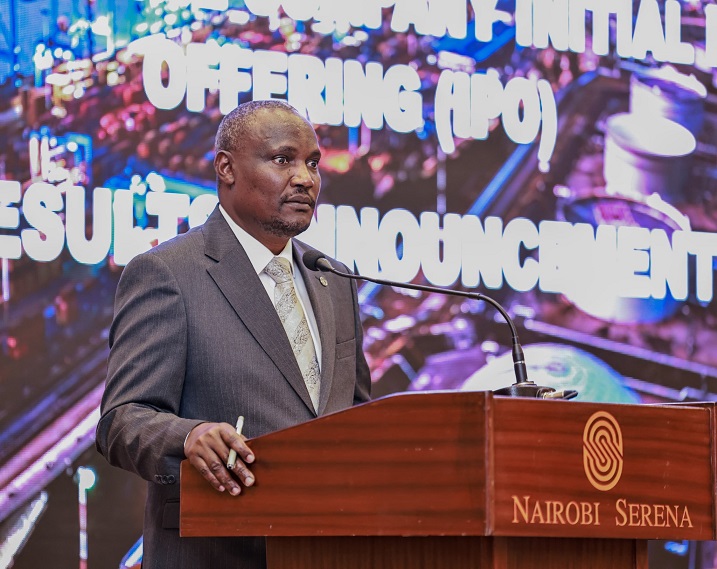
“We have not dropped PAYE issue and the changes that I had proposed and I had spoke widely about,” said Mbadi during a briefing on Finance Bill 2026.
He added, “What my team is to do a simulation. The first simulation was that we were going to lose revenue of Ksh 35 billion per year, and we are looking at the economic situation as it is, and we are looking at the impact of personal income tax reforms that we have carried out at the Kenya Revenue Authority and before this public participation engagement ends, we are going to make a decision.”
According to Mbadi, Treasury is considering creating a new tax rates where those earning Ksh 1000 and Ksh 30,000 are exempted from PAYE while those earning between Ksh 30,000 to Ksh 50,000 will pay income tax at the rate of 25pc from the current 30pc and those earning above 50pc to pay 30pc on their earnings.
“I have not backtracked. We are considering that very seriously and before we conclude the Finance Bill 2026, chances are that we are going to have the new tax rates on PAYE,” said Mbadi.
Treasury is similarly monitoring the tension in the Middle East which saw Value Added Tax on diesel and petrol reduced to 8pc to cushion consumers from price increases, a situation which is further expected to dent tax revenues.
In a move to cover expected tax loss from income tax cuts, Treasury says it is also monitoring the reforms being carried out by KRA on Personal Income Tax and which is expected to increase revenue as well as broaden the tax base.
Additionally, Mbadi expects the 7.5pc charge on rental income tax to sustain revenue collection and help seal the Ksh 35 billion revenue hole.