
If you grew up in Kenya in the late 90s and early 2000s, you might recognise Angela Mwandanda from a picture. Better yet, you might recognise one of her songs, “Teso” or “Ulopa.”
Back when Ogopa Deejays produced almost every song you heard on the radio, Angela was part of a music trio called Tattuu (Kiswahili for ‘three’), formed in 1999 with Angela Ndambuki and Debbie Asila. After releasing a number of hits, the group slowed down as each of them transitioned into other careers.


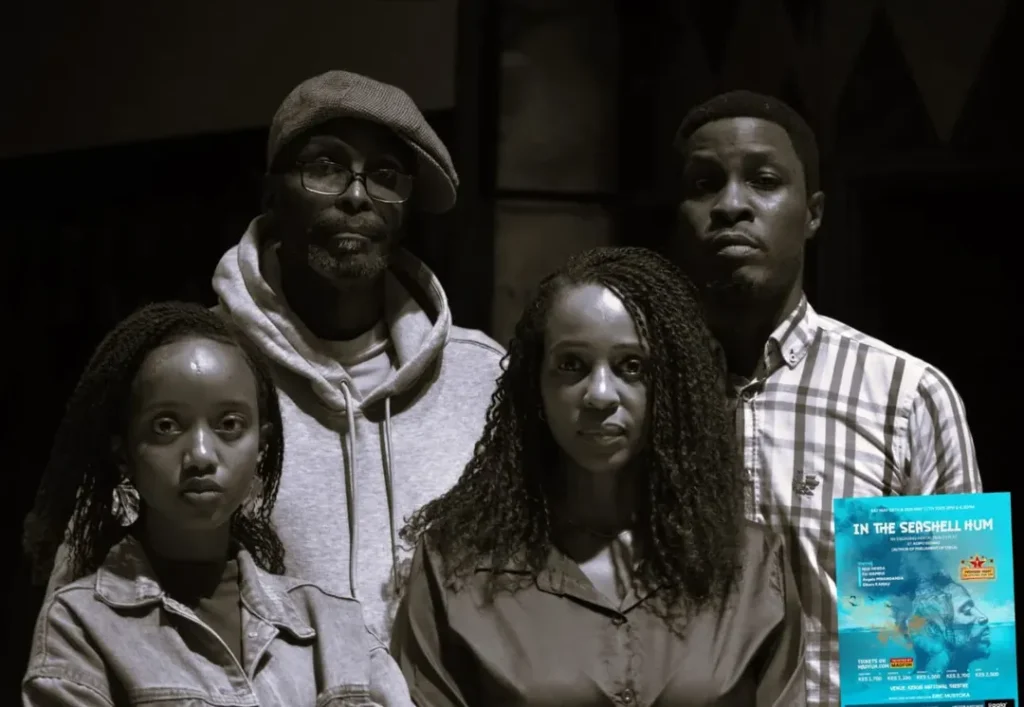
In the years since then, Angela has built a career across music, film, theatre and currently works as the National Coordinator for the Recording Industry of Kenya (RIKE). But this Friday, May 15, Angela will return to the stage in a play called ‘In the Seashell Hum’ – a Mental Health Play by Adipo Sidang’.
Speaking about what drew her to the play, Angela said: “Mental wellness is something I strongly advocate for, especially as an artist and actor, because our creative process begins in the mind.”
KBC Digital caught up with Ms Mwandanda ahead of the play’s opening to discuss her illustrious career, lessons learned along the way, her nomination at Kalasha, her work as a producer on the music documentary, ‘Sonic Nation’, produced by RIKE and importantly, the play.
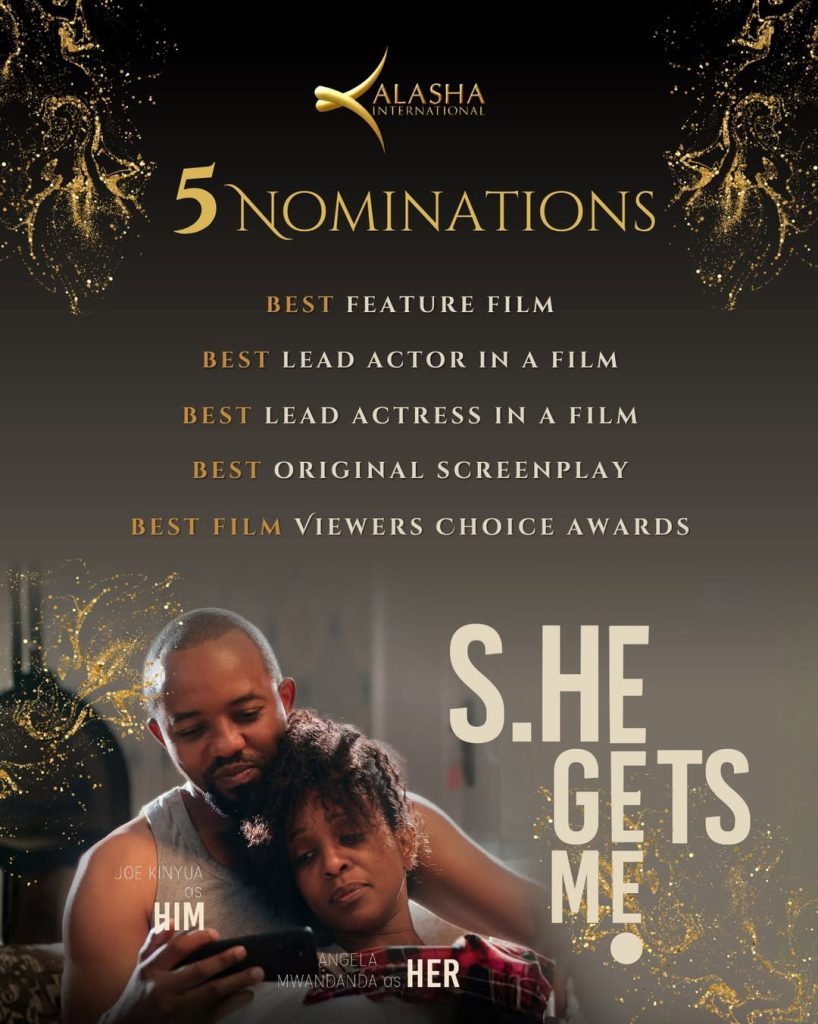
Congratulations on your Kalasha International TV & Film Awards 2026 nominations for Best Lead Actress. What do these recognitions mean to you at this stage of your career, especially as someone who has continuously reinvented herself in the creative industry?
It was a welcome surprise, to be honest. I love to perform! To take on characters that need my voice and presence to come to life. Simply being able to do the work is always the real reward for me.
At the same time, being recognised as an actor is something I’m very proud of, since most people primarily know me for music. What actually brought Tattuu together in the first place was our shared love for stage performance back at Phoenix Players.
I’m glad that the circle of people who know me for acting continues to grow, and the Kalasha International Film and TV Awards nominee nod was truly a feather in my cap, one I’m very grateful for.
Speaking of Tatuu, looking back at your journey from being part of the girl group to where you are now, what would you say has been the biggest personal and artistic transformation for you?
In acting, I love that the roles I’m now being considered for are becoming more diverse. For a while, I felt somewhat typecast, and while I value every character I’ve played, I’m especially drawn to roles that are challenging and thought-provoking. I’m also grateful to work behind the scenes in the music industry (through RIKE). Though often unglamorous, this side of the business is where meaningful change and long-term improvements can impact the industry as a whole.
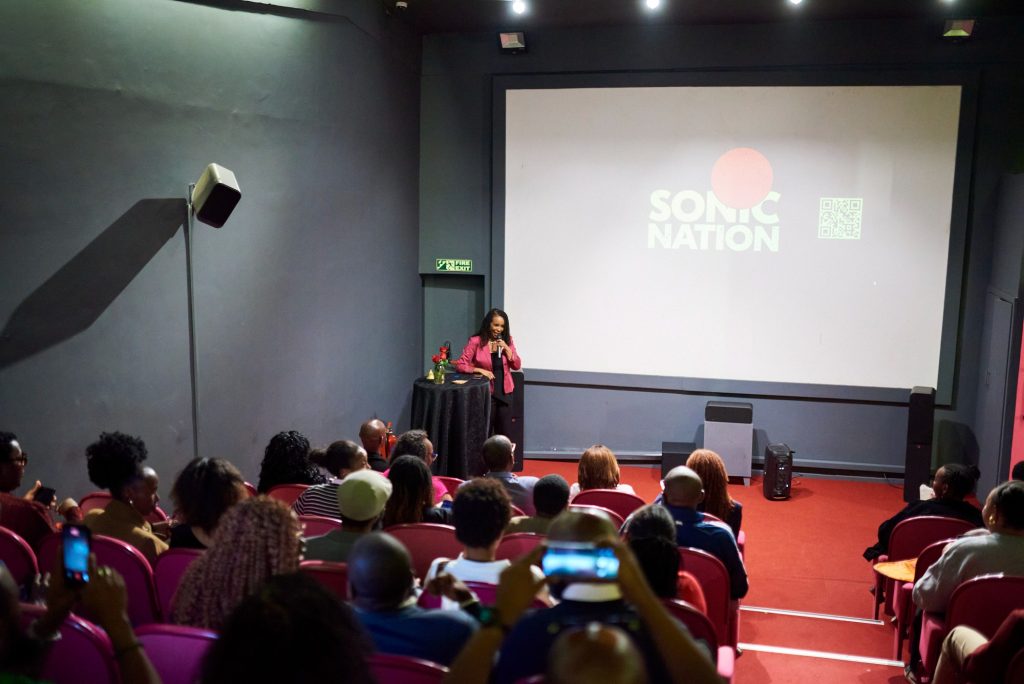
You are also working as a producer on the RIKE documentary, Sonic Nation, cataloguing the history of Kenyan music. Why is it important to preserve and document Kenya’s musical heritage now, and what are some stories or discoveries from the project that have particularly stayed with you?
This documentary was very close to my heart because, while the industry continues to evolve every day, which is a great thing, much of the history of how far we’ve come still exists only in the memories of the people who lived it.
Sadly, some of those people have already passed on, and with them, valuable stories and knowledge have been lost.
The goal of the documentary is to ensure that both present and future generations have a place to look back, appreciate the journey, identify the areas where we still need to improve, and hopefully move toward a future where our industry is recognised locally and internationally on a much larger scale than it is today.
Having experienced Kenya’s entertainment industry both as a musician and now as an actress and producer, how would you describe the evolution of opportunities for women in the arts over the years?
We still remain underrepresented on many fronts, if I’m being completely honest. There could be several reasons for this, whether it’s fewer women taking up certain roles in the industry or the challenges we face that can slow our progress compared to our male counterparts.
That said, this is not to diminish the progress we’ve made. We have come a long way. I hope we continue to take up space, claim our place in the industry, and overcome both individual and collective challenges, because we certainly have the skills, talent, and intellectual capacity to achieve far more than we have so far.
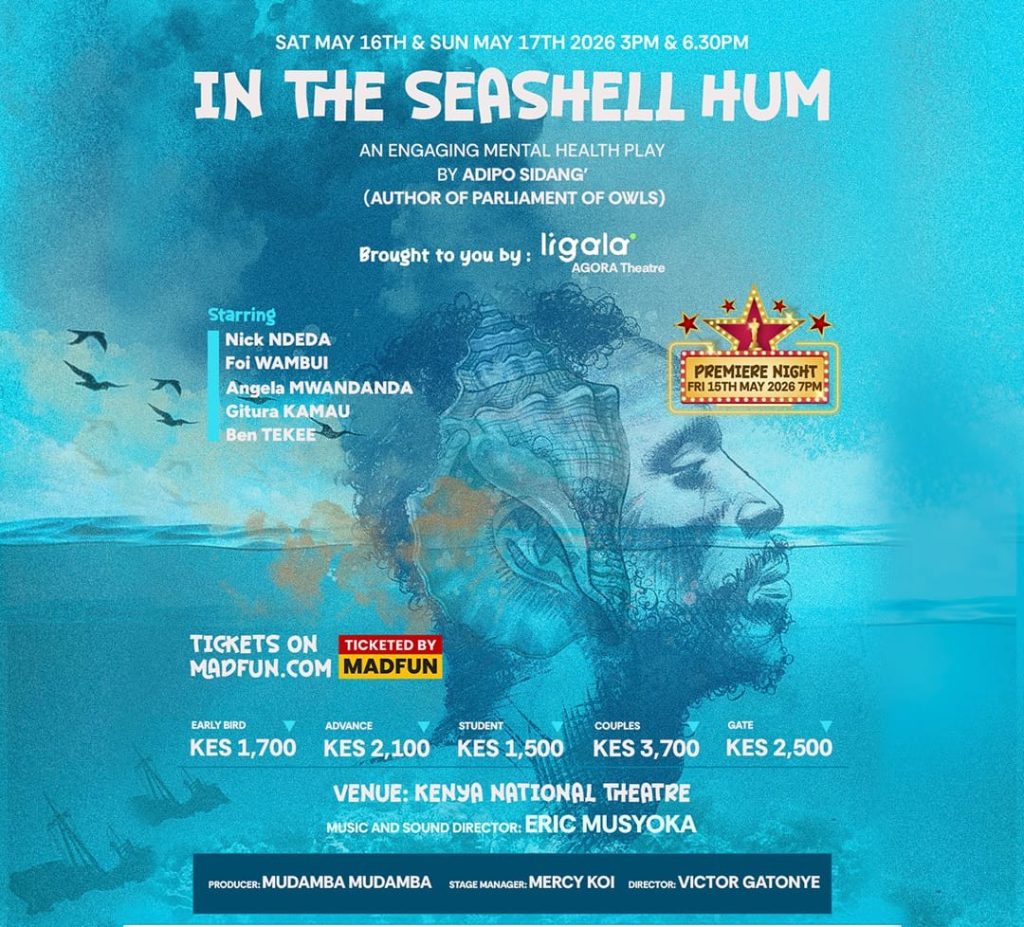
You will star on Friday, in the play ‘In the Seashell Hum’, which tackles mental health. What drew you to this production, and what conversations do you hope audiences will leave the theatre having?
Several things drew me to this production. First was the writer, Adipo Sidang, who had been passionate about this story for a long time. When he considered me for a role in it, I was genuinely elated. I deeply appreciate when a writer or director sees me as an actor they can trust to bring their story to life.
I also saw it as an important challenge because this is not just a dramatic story; it tackles the sensitive subject of mental health. Mental wellness is something I strongly advocate for, especially as an artist and actor, because our creative process begins in the mind. Anything that contributes to protecting and nurturing that source of creativity is something I will gladly be part of.
Mental health conversations are becoming more visible in Kenya’s creative scene, but many artists still struggle silently. From your experience in the industry, what changes do you think are still needed to better support creatives emotionally and psychologically?
Trust first has to be established for vulnerability to truly exist. Too often, mental health is trivialised or mocked, especially within creative spaces. What creatives need are safe spaces and safe people, along with environments where mental health is prioritised and treated with the same care, seriousness, and sensitivity as a visible illness or physical challenge.
‘In the Seashell Hum’ is a deeply engaging mental health play by Adipo Sidang’ (author of Parliament of Owls). The play explores the weight of mental illness on a creative (inspired by the rising cases of mental health issues in the creative sector, workplace, domestic settings and more.) Through a character called Baraka, it lays bare the weight of mental illness and what this means to his loved ones.
Many young creatives know you through different eras of your career, from music with Tatuu to film, theatre and cultural work. What advice would you give to emerging artists about sustaining a long-term career while remaining authentic to themselves?
The simplest thing that comes to mind, though it’s not easy, it’s necessary, is to diversify your portfolio as much as possible. I don’t know a single creative who only does one thing. The beauty of being creative is that your skills can be applied across several fields, and that flexibility is important because our industry can be volatile.
If you can sing and write music, can you also write music for others? If you can put together a presentation, can you also develop a creative strategy for a brand? It’s important not to limit yourself to just one thing.
Because I have to ask, is Tatuu ever reuniting?
Perhaps one day soon! If we are all in the same country!