Machakos Technical Institute For The Blind (MTIB) has unveiled a modern, smart library for visually impaired technical learners, marking a new era of inclusive education in a significant step toward inclusive education and disability empowerment.
The Institute unveiled the first phase of its new accessible library, an initiative hailed as a national milestone and a beacon of possibility for learners with visual impairments.
The new library, supported through a partnership between MTIB and the Rotary Club of Kilimani Alfajiri, is equipped with tools and materials that enable learners to access academic resources in Braille, audio, and digital formats.
The launch marks the completion of phase one of the project, which stakeholders hailed as a model of successful public-private collaboration. MTIB has long been recognised as a leader in specialised education for visually impaired students.
As the only technical training institution in East and Central Africa offering craft courses specifically tailored for the visually impaired, the school continues to push the boundaries of accessibility and inclusivity in education.
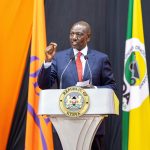
Speaking at the launch ceremony, Mrs Mercy Wanjau, Secretary to the Cabinet (Education) emphasised the library’s profound symbolic and practical importance.
“This moment brings us a step closer to bridging the inclusivity gap for persons with disabilities. It is with pride and gratitude that we celebrate this milestone, as it will empower learners with visual impairment by giving them equal access to knowledge and opportunity.
This collaboration is a shining example of what can be achieved when government institutions and private partners work hand in hand for the common good. It is also a testament to the strong leadership of the institution’s board and the commitment of its many friends and supporters.”
The event also served as a platform to advocate for MTIB’s elevation to National Polytechnic status, a move that would further strengthen its mandate and open new opportunities for learners across the region.
According to the 2019 census, approximately 2.2% of Kenya’s population—about 900,000 people—live with some form of disability.
The government has pledged to leave no one behind in the country’s pursuit of the Sustainable Development Goals (SDGs), particularly those related to quality education and reduced inequalities.
Digital inclusion for PLWDs is also high on the national agenda. As chair of the eCitizen Implementation Committee, Mrs Wanjau outlined Kenya’s strides in making public services more accessible.
Dr Nduku Mutua, Chief Principal of MTIB, reflected on the broader significance of the facility, noting that the smart library initiative is a work in progress, funded through personal and community contributions rather than formal funding. Support from individuals and partners who have enabled resource acquisition and student sponsorships has been key.
Dr Nduku appreciated stakeholders for their emphasis on the importance of inclusive education, government support, and empowering special needs students to become self-reliant and employable.
According to Dr Joseph Kanyi, Director at TVET, the launch of a state-of-the-art e-library marks a major step towards inclusive education in Kenya.
Aligned with the government’s Competency-Based Education and Training (CBET) framework, the initiative empowers students for self-reliance and employment. Education leaders praised the collaborative effort, urging students to embrace this opportunity to grow, innovate, and contribute to a more equitable society.
The Rotary district governor-elect RTN Saad Rahman emphasised the organisation’s long-term dedication to its seven focus areas: peace building, disease prevention, clean water, maternal health, education, economic development, and environmental protection.
The Rotary reaffirmed its unwavering support to continue serving the community and ensuring inclusive growth for all.
CEC-M for Education, Machakos County, Dr Consolata Mutisya, reminded society and parents that children with disabilities deserve equal access to quality education from both county and national governments. “Neglecting them denies them a future.”