The National Authority for the Campaign Against Alcohol and Drug Abuse (NACADA) has extended the deadline for its 2026 National Senior School Essay Writing Competition to the end of May, from the earlier March 28 cutoff, in a move aimed at increasing participation among secondary school learners.
The competition, themed “Protecting Our Future: Making Drug-Free Choices in School and Beyond,” targets students in Grades 10, 11 and 12 (Forms 2–4). Participants are required to submit original handwritten essays of between 800 and 1,000 words in either English or Kiswahili.

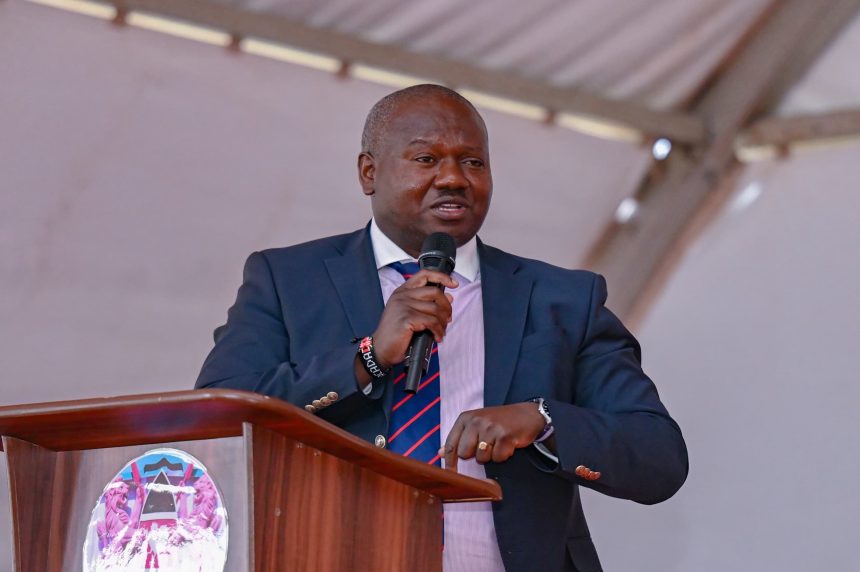
NACADA Chief Executive Officer Dr. Anthony Omerikwa said the extension aligns with ongoing national efforts to curb substance abuse, particularly among young people in learning institutions.
“As part of implementing the presidential directive on the renewed fight against drug abuse, the Authority is implementing this substance use prevention strategy targeting school-going children as part of awareness creation through promoting their creativity,” he said
He noted that the initiative supports directives by William Ruto to strengthen prevention and enforcement measures against drug abuse.
Beyond awareness, the programme reinforces the Competency-Based Curriculum (CBC) by building critical thinking, decision-making and life skills such as resisting peer pressure and developing self-awareness. Essay topics explore the impact of substance abuse on academic performance and the role of families, schools and communities in prevention.
Top entries will be published in NACADA’s newsletter, with the three best essays earning certificates and trophies during the International Day Against Drug Abuse and Illicit Trafficking on June 26, 2026. All participants will receive certificates.
Students are required to submit their entries through school principals alongside a signed entry form. Essays must not include personal identifying information.