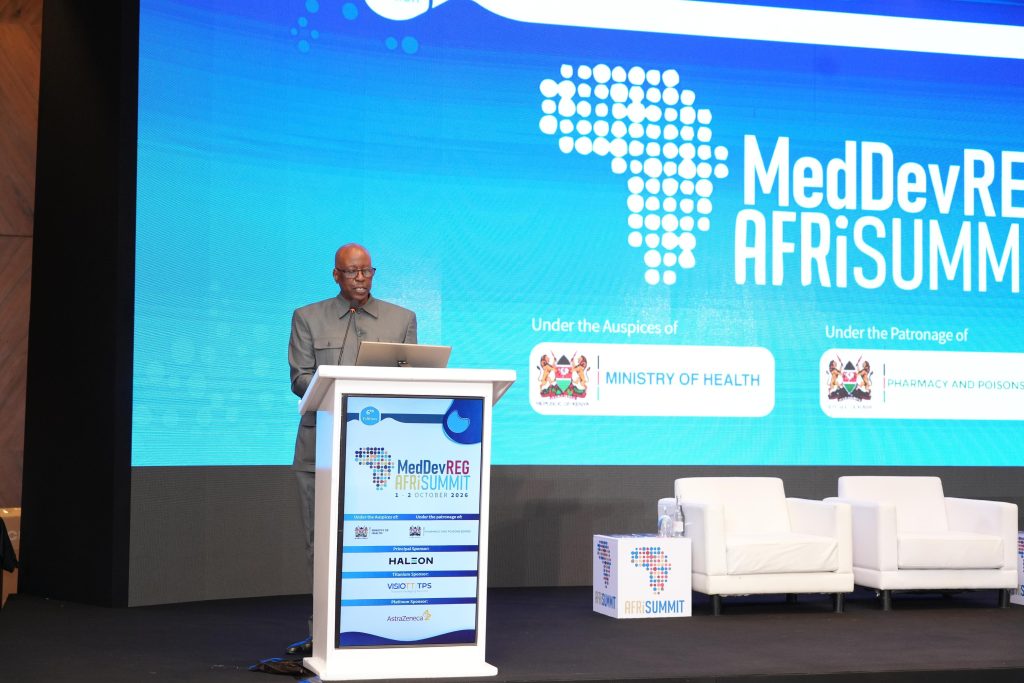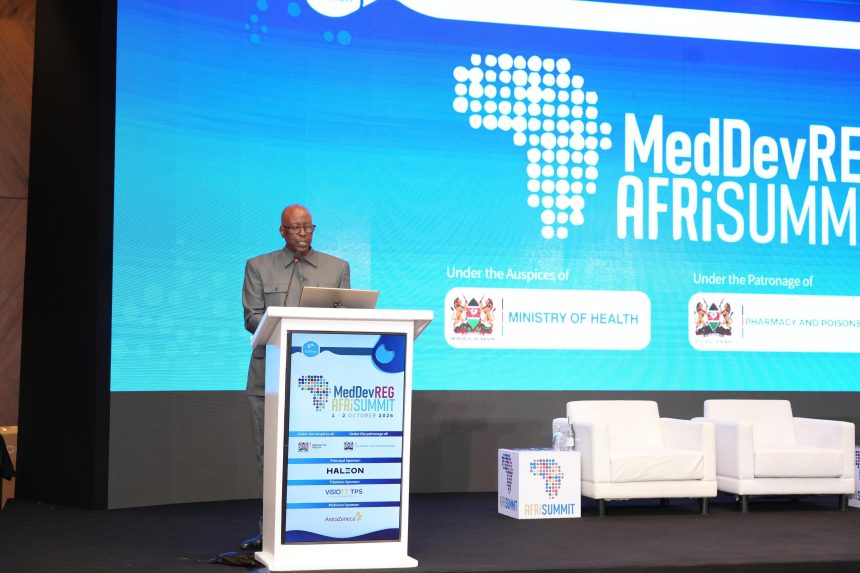
African regulators should harmonise their systems and strengthen reliance to improve access to health products, Pharmacy and Poisons Board Chairperson Dr. John Munyu has said.
Speaking at the closing of the 6th PharmaReg & MedDevReg AfriSummit in Nairobi on Friday, Dr. Munyu called for regulatory collaboration, support for local manufacturing and stronger markets for African-made products.

He said regulators, policymakers, manufacturers and development partners should put the knowledge shared at the Summit into practice through improved policies, regulatory decisions and sustained partnerships.
Delegates heard presentations, took part in plenary discussions and shared experiences from different regulatory jurisdictions.
Dr. Munyu said they had explored opportunities, challenges and practical approaches to strengthening the regulation of health products and technologies across Africa.
He said the Summit’s value would be measured by what delegates did with the knowledge gained.
Dr. Munyu urged them to carry the discussions into their institutions and translate shared aspirations into concrete action.
He said dependable regulatory systems are essential to protect public health, inspire confidence and ensure timely access to safe, quality, effective and affordable health products and technologies.
Similarly, the PPB Chair urged delegates to keep patients at the centre of their work and build systems that are efficient and responsive.
Africa urged to reduce reliance on imports
His call echoed Health Cabinet Secretary Aden Duale’s opening address, which stressed that Africa’s pharmaceutical future depends on countries, regulators and institutions working together.
Duale said Africa currently imports more than 70 per cent of the health products it consumes, highlighting the need to expand local manufacturing and reduce vulnerabilities in supply chains.
“Africa’s pharmaceutical future cannot be built by any one country, regulator or institution working in isolation,” Duale said.
He urged countries to strengthen regulatory harmonisation, embrace reliance, support local manufacturing and build stronger African markets for African-made health products.
“We are simultaneously strengthening regulation, surveillance and traceability as we work towards WHO Maturity Level 3,” he said.
Duale said Kenya is implementing the 2026–2030 Health Products and Technologies Local Manufacturing Strategy, which targets local production of at least 50 per cent of essential health products.
He said 13 new pharmaceutical companies have commenced operations in the country, with some already producing products for export.
The CS said Kenya is also strengthening systems to ensure the safety and traceability of health products in the market.