President William Ruto has defended his administration’s reform agenda, saying he deliberately disregarded critics and political pressure so as to implement development projects aimed at transforming Kenya into a First World economy.
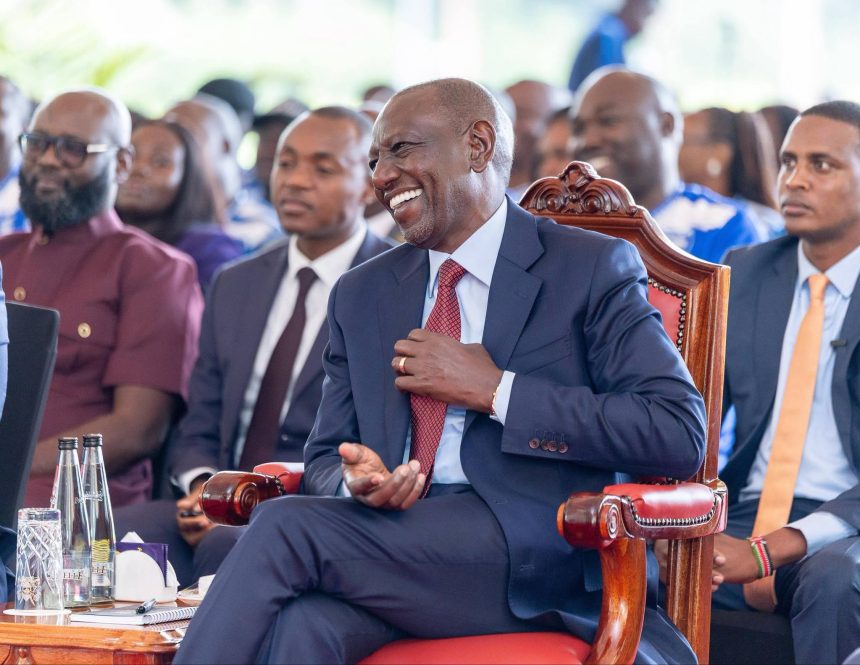
Speaking at State House, Nairobi, while hosting AFC Leopards Sports Club following their second-place finish in the FKF Premier League, the President emphasised that meaningful national transformation demands leaders willing to make difficult decisions rather than pursue popularity.

Ruto argued that Kenya’s slow pace of development over the past six decades stems from a failure to make bold policy choices. He noted that countries which started from similar economic positions have since become some of the world’s most developed economies.
“Hatuna sababu kama taifa kutokuwa kama nchi ambazo zilikuwa pamoja na sisi miaka sitini iliyopita. Tulikuwa sawasawa na Malaysia, Korea na Singapore. Leo hizo nchi ziko First World, sisi bado tunang’ang’ana Third World. Makosa ilitokea wapi?” he posed.
He maintained that Kenya possesses the same potential to achieve rapid economic transformation if it remains committed to long-term reforms.
“Vile Malaysia, Korea na Singapore walipiga hatua, wakawa nchi tajiri… sisi pia tunaweza kufanya hivyo. Ndiyo mmeona nimekatalia mambo mengi,” he stated
The President dismissed what he described as “populist politics,” arguing that leaders solely focused on winning applause often avoid difficult but necessary decisions.
“Watu wengi wanataka siasa ya kupigiwa makofi. Siasa kidogo kidogo ambayo ni populist. Nawaeleza nchi yetu, in our generation, tunaweza kuitoa mahali ilipo sasa, tuipeleke First World,” he affirmed.
Ruto acknowledged the resistance his administration has encountered over the past three years but insisted it has not deterred him from pursuing his development agenda.
“Kwa miaka mitatu tumefanya mambo. Lakini sio kwa urahisi. Watu wamenipigia kelele, wakanifanyia maandamano, wakanitukana. Lakini mimi nimekaa ngumu kwa sababu nchi haiwezi kubadilika bila ya mtu kuwa mkakamavu,” he explained.
The President specifically defended the Affordable Housing Programme, noting that it initially faced court cases, protests, and sustained criticism, including personal attacks directed at him.
“Watu walinipigia kelele, wakanifanyia maandamano, wakanipeleka kortini… Wakaniita Zakayo. Leo Nairobi inabadilika. Kibera na Mathare imekuwa ikitusumbua, lakini sasa nyumba inajengwa,” he said.
He argued that abandoning the programme due to political fear would have denied Kenyans the benefits now beginning to emerge.
“Kama mimi ningekuwa mwoga, niachane na mambo ya housing, tungekuwa na chochote cha kusherekea leo?” he asked.
According to the President, the government’s development strategy extends beyond housing to include markets, student accommodation, healthcare, and transport infrastructure.
He stated that the administration is constructing 600 modern markets across the country and hostels to accommodate approximately 180,000 students, describing these investments as essential for long-term national transformation.
Ruto also highlighted reforms in the health sector, explaining that the Social Health Authority is intended to ensure that access to healthcare becomes a right for every Kenyan, regardless of income.
“Afya leo tumesema iwe ni haki ya kila Mkenya,” he said.
On infrastructure, the President noted that innovative financing models are enabling the government to undertake projects that would otherwise have stalled due to budget constraints.
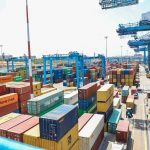
He cited the Rironi-Mau Summit highway and the recently established National Infrastructure Fund as examples of new approaches to financing roads, airports, seaports, irrigation, electricity, and logistics infrastructure.
“Kupitia National Infrastructure Fund, tuko na pesa ambayo itatusaidia kujenga barabara, kujenga airport, kujenga seaport, kuweka logistics, kuongeza stima, na kuongeza mambo ya irrigation,” he elaborated.
Drawing comparisons with countries that have successfully transformed their economies, Ruto pointed to Norway’s sovereign wealth fund and China’s rapid economic rise as evidence that sustained reforms can fundamentally change a country’s fortunes.
“Hii China mahali tunaenda kukopa pesa siku hizi, thirty years ago ilikuwa nchi maskini. So hii Kenya tunaweza kubadilisha. Just take it from me, kwa mapenzi ya Mungu, tutabadilisha Kenya,” he declared.
The President called on by urging Kenyans to support the country’s transformation agenda, insisting that with consistent reforms and the courage to make difficult decisions, Kenya can attain First World status within a generation. He also called on eligible citizens to register as voters, stating that political participation would be critical in determining the country’s future leadership and sustaining the ongoing reform agenda.