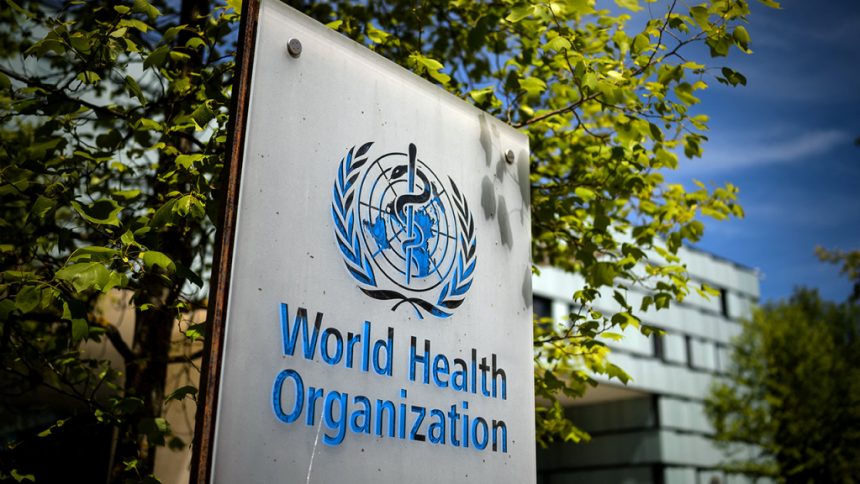
The World Health Organisation (WHO) has raised concern over gaps in childhood immunisation ahead of World Immunisation Week 2026, observed in the last week of April each year.
In a statement, WHO indicated that 20 million children missed at least one vaccine dose in 2024, warning that such gaps could reverse progress made in disease prevention.

The UN health agency noted that disparities in immunisation coverage continue to expose children in different parts of the world to preventable illnesses, despite the availability of effective vaccines.
WHO said vaccines remain among the most effective public health interventions in modern history, having saved more than 150 million lives globally over the past 50 years.
“Vaccines have long been one of the most powerful tools in public health,” the agency said.
It said vaccines continue to prevent more than 30 life-threatening diseases and infections, including measles, diphtheria, pertussis, polio and rotavirus.
WHO also pointed to newer vaccines targeting malaria, HPV, cholera, dengue, meningitis, respiratory syncytial virus (RSV), Ebola and mpox, saying they are expanding protection across different stages of life and improving health outcomes globally.
The global health body called on governments and health systems to strengthen vaccine delivery and ensure equitable access, noting that scientific progress alone is not enough without consistent uptake.
This year, World Immunisation Week 2026 is being held under the theme, “For every generation, vaccines work.”