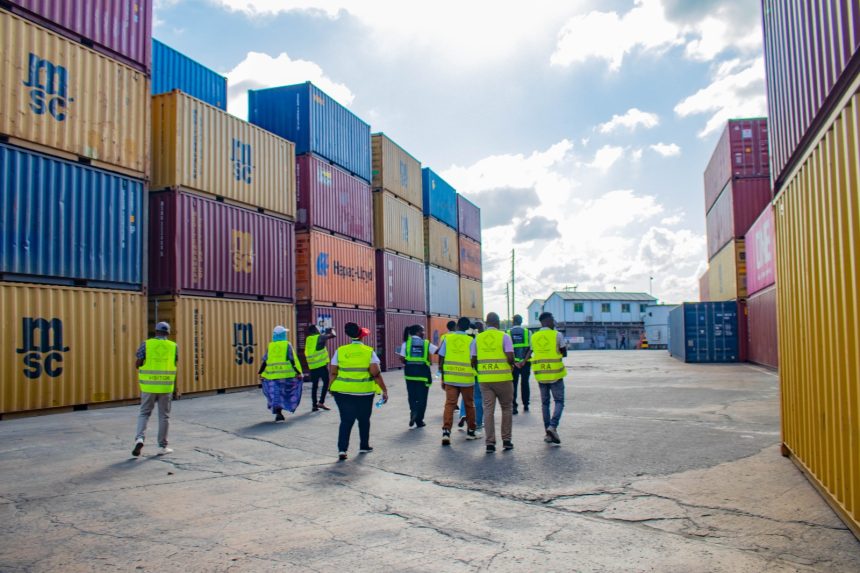
Kenya Revenue Authority (KRA) registered a 24pc growth in customs revenue within the last two years alone owing to investments in new technologies which have helped enhance customs efficiency and seal revenue leaks.
The authority saw customs revenue rise from Ksh 503.2 billion in 2022/23 financial year to Ksh 628 billion shillings in 2024/25 financial year supported by deployment of real time cargo monitoring systems which have helped improve cargo dwell time at the region’s busiest cargo hub, Mombasa Port.

Speaking during a media tour of the authority’s customs processes, KRA Acting Deputy Commissioner for Customs and Border Control, Southern Region Swalleh Faraj said the deployment of 24 hours scanners at the port as part of the Integrated Customs Management System (iCMS) has helped improve cargo clearance time.
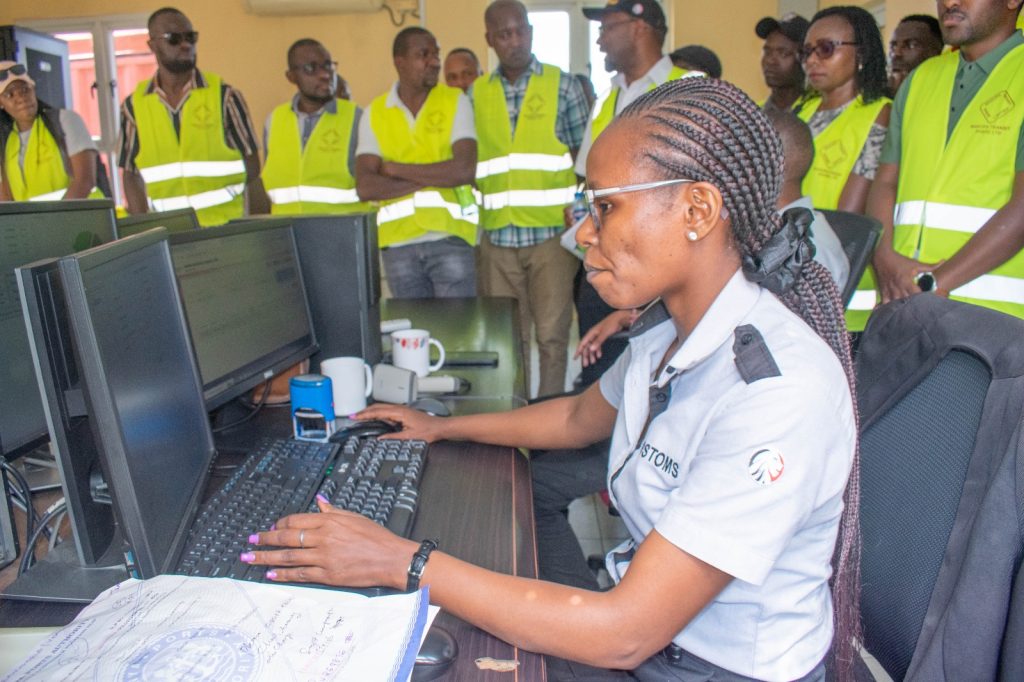
“In the Port of Mombasa, Kenya Ports Authority only grants 4 days to clear domestic cargo. For transit cargo its 15 days. So we have to clear you within four days otherwise you start incurring storage costs,” said Swalleh.
According to KRA, the deployment of real scanners at the port and various border points across the country have helped in faster clearance of cargo while also eliminated smuggling of illegal goods.
“At our borders we have scanning machines. There a very many controls, by the time the cargo reaches Mombasa, it has been scanned at Malaba, Naivasha, ICB, and scanned in Mombasa so the controls are many,” noted Tabitha Wanyama, KRA Manager Customs Warehouse Customs & Border Control Southern Region.
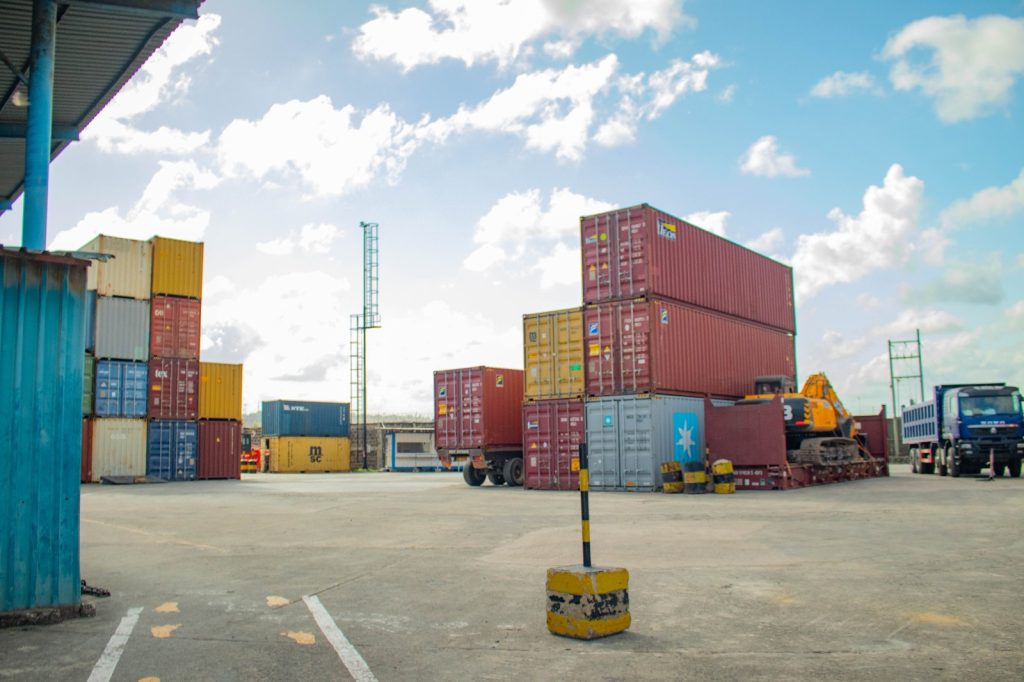
Currently, KRA operates 33 scanners with plans to procure 72 more in a bid to increase the number of containers scanned, from the current 4,000 per day to over 10,000.
“Scanning is a trade facilitation and enforcement tool. It is what we call a decision support tool for us. We are expanding that and the only thing is its capital intensive. They are very expensive, a scanner can go up to Ksh 300 million sometimes so we have to work closely with other partners to get the scanners,” added Swalleh.
Through the deployment of the iCMS, KRA says it has reduced manual paperwork, enabled data exchange with other agencies, transporters and cargo clearing agents, supported automation and enabled flexible payment option.
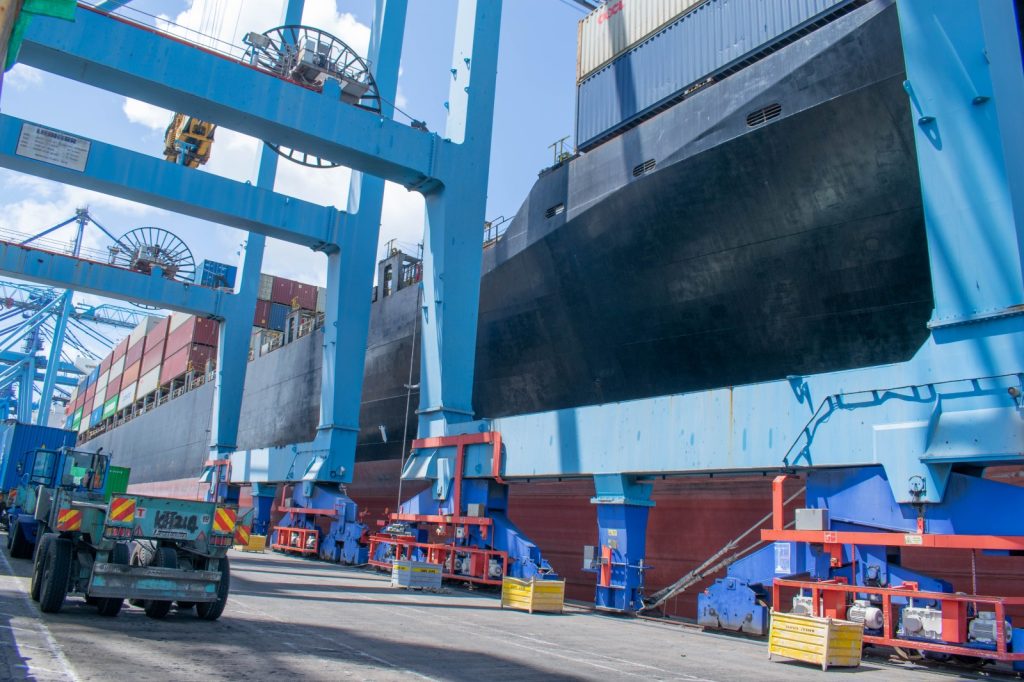
Additionally, the system has also ensured reduction in the cost of doing business, simplified customs processes, enhanced efficiency and brought convenience to transporters and clearing agents.
KRA says the advanced scanners it’s seeking to acquire will able to support accurate analysis of images and differentiate various items.
“We are looking into an artificial intelligence-based in term of scanner analysis and scanner interpretation. But again there are those checks from the documentation, from loading point we have officers who will be there present to see staffing of all the exports before they are sealed. Once they are sealed again we monitor them using the electronic seal up to this point. To a larger extent we have minimized that,” said Samuel Kinyanjui, Manager KRA.
Similarly, KRA says Regional Electronic Cargo Tracking System (RECTs) has improved real-time monitoring of transit and export goods.
This has helped deter dumping and cargo theft along the Northern corridor which was previously rampant.