The heads of state and government of the Economic Community of West African States (ECOWAS) took a decisive step yesterday in Freetown by signing the Intergovernmental Agreement (IGA) governing the development of the Nigeria-Morocco African Atlantic Gas Pipeline (AAGP).
The backing of ECOWAS member states gives the project a regional dimension, after it was initially launched as a bilateral initiative between Rabat and Abuja. Morocco and Mauritania, which are not members of the regional organization, are set to sign the agreement at a separate ceremony to be held at a later date in the presence of Nigerian President Bola Ahmed Tinubu.

Initiated by His Majesty King Mohammed VI of Morocco and late former Nigerian President Muhammadu Buhari, with the continued support of current President Bola Ahmed Tinubu, the project is led by the Moroccan National Office of Hydrocarbons and Mining (ONHYM) and the Nigerian National Petroleum Company Limited (NNPC Ltd).
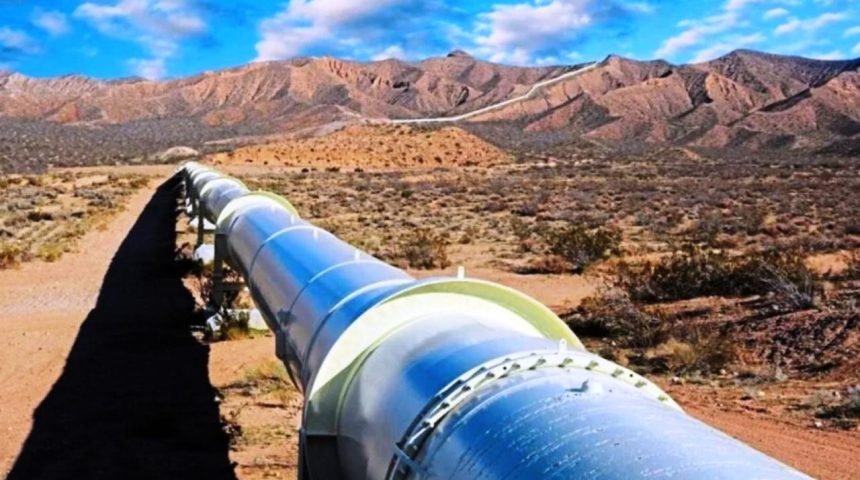
For nearly 6,800 kilometers, the future gas pipeline, once completed, will cross thirteen countries along Africa’s Atlantic coast and will connect to the Maghreb-Europe gas pipeline in northern Morocco. It is expected to have a transport capacity of 30 billion cubic meters of natural gas per year, of which up to 15 billion could be destined for Morocco and Europe.
The project is estimated to cost approximately $25 billion. It aims to contribute to West Africa’s energy security, the expansion of electricity generation, and the region’s industrialization, while promoting the creation of an integrated regional natural gas market.
In this regard, the current ECOWAS Chairman, Julius Maada Bio, welcomed the signing of the agreement, noting that this project will help bring West Africa’s gas resources closer to major consumption centers and strengthen the integration of African energy markets.
The next steps will include the establishment of the project company, to be headquartered in Casablanca, and the Pipeline Higher Authority, which will be based in Abuja. This will be followed by investor mobilization and the preparation of the final investment decision.
According to ONHYM and NNPC Ltd., the main technical, environmental, and engineering studies have now been completed, allowing the project to enter its operational phase. A separate ceremony bringing together Morocco and Mauritania -two non-ECOWAS member countries- will follow the signing of the agreement.
In addition to its role in energy supply, the African Atlantic Gas Pipeline
is touted as a true corridor for development. The project’s promoters believe it will promote regional economic integration, strengthen the continent’s energy security, and support the creation of an African gas market, making this project one of the most ambitious infrastructure projects in West Africa.