Reproductive Health Human Rights Lobby Groups in Nakuru have petitioned the government to decriminalise safe abortion in Kenya, citing rising numbers of unsafe procedures and maternal deaths.
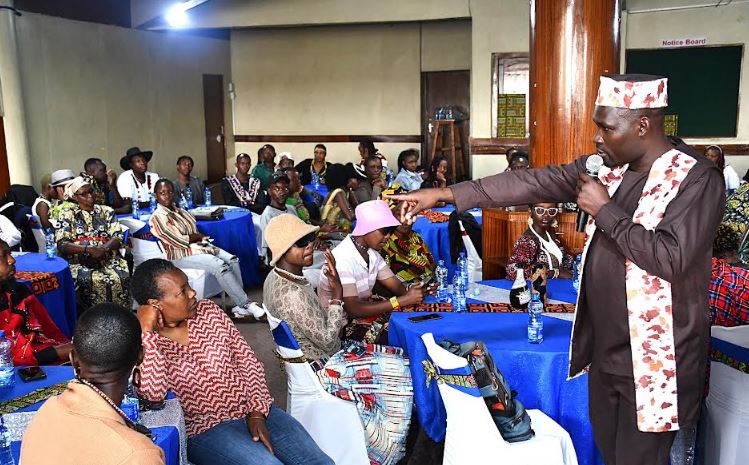
The civil society organisations, including the Reproductive Health Champions Organisation (RHCO), the Nakuru Reproductive Health Network (NRHN), and the Hope in Life Society (HILS), made the call during this year’s International Safe Abortion Day on Monday.

“We, the undersigned Civil Society Organisations committed to advancing Sexual and Reproductive Health and Rights (SRHR) across Kenya, come together to commemorate International Safe Abortion Day 2026 under the theme Solidarity in Action: Advance Reproductive Justice and Urgently Strengthen Health Systems for Comprehensive Abortion Care (CAC),” the groups said in a joint statement.
Executive Director to SRHR Mr. Martin Lunalo noted that 8.3 million women and girls in Africa undergo unsafe abortions each year, making it one of the leading causes of maternal mortality.
Lunalo warned that adolescents, women living with disabilities, those in rural and underserved communities, people in conflict situations, and survivors of sexual violence are most affected.
He also pointed to the Maputo Protocol, which explicitly recognises abortion as a right in cases of sexual assault, rape, incest, or when pregnancy endangers the health or life of the woman or the fetus.
“Several women initially resort to unsafe methods such as ingesting harmful substances or using sharp objects before turning to medical abortion using pills obtained from pharmacists and chemists. The sequence often leads to complications,” he said.
He urged both levels of government to bolster healthcare infrastructure and capacity to ensure the provision of comprehensive sexual and reproductive healthcare services, including safe abortion and post-abortion care, particularly in underserved and rural communities.
“Lend full and sustained support to the provision of safe abortion services to ensure that they become accessible, available, affordable, and of quality for all women and adolescent girls in all their diversities,” stated the Executive Director.
Lunalo noted that unsafe abortion leads to severe maternal outcomes, including death, coma, and life-threatening complications.
He added that despite the provisions of Article 26 of the Constitution, blanket criminalisation has created uncertainty among healthcare providers, making them reluctant to perform abortions even in emergencies.
“This legal, policy, and administrative environment has driven many women and girls into unsafe abortions with devastating consequences to their health and well-being,” she said.
Lunalo urged both the national and county governments to urgently remove barriers that limit who can provide abortion care and at what levels of health facilities.
He also called for action against stigma through accurate information, education, and provision of essential services.
“We call on the government, including counties, to take measures to eliminate abortion stigma through provision of accurate information and education on safe abortion care, essential services, and availability,” Lunalo said.
Recent research underscores the scale of the problem. A 2023 study by the African Population and Health Research Center (APHRC), the Ministry of Health, and the Guttmacher Institute found Kenya recorded about 792,694 induced abortions that year.
This translated to a national abortion rate of 53.3 per 1,000 women of reproductive age, up from 48.0 per 1,000 in 2012. The same study reported a national unintended pregnancy rate of 103.8 per 1,000 women of reproductive age, with more than half (55.2 percent) ending in induced abortion.
More than 304,000 women sought post-abortion care in 2023, according to the report.
Abortion remains a criminal offense in Kenya, except under specific circumstances outlined in Article 26(4) of the constitution.
The law states that abortion is not permitted unless, in the opinion of a trained health professional, there is a need for emergency treatment, or the life or health of the mother is in danger, or if permitted by any other written law.
Given this provision, Programs Coordinator at Hope in Life Society (HILS) Cosmas Mutua pointed out that the reality for many women facing unwanted pregnancies is far more complex and perilous.
Mutua argued that the current legal framework leaves women who become pregnant unwillingly at the mercy of unsafe, clandestine abortions out of desperation.
While the constitution allows for abortion in cases where the mother’s health is at risk, the law does not explicitly provide for women who are victims of sexual violence or those unable to carry a pregnancy due to poverty or social circumstances.
This legal ambiguity, Mutua opined, forces many women, especially those from poorer backgrounds, to seek unsafe procedures that often result in severe complications or death.
“We must reckon with the truth: Unwanted pregnancies are real. Poverty is real. Fear is real. And when society criminalises access to safe reproductive health services, tragedy finds its way to our streets, our dumpsites, our consciences,” he said.
Mutua called on policymakers to prioritise dignity and provision of improved post-abortion care, emphasising the urgent need to reduce stigma and provide compassionate support for women who procure abortions.
He underscored that these women often face abandonment and desperation when they should be met with understanding and care.
“Let’s stop turning away. We must build systems that offer dignity, choices, and care before it’s too late,” stated the activist.
Reports of abandoned fetuses and women arrested after suspected illegal abortions have surfaced in different parts of the country, underscoring the prevalence of the crisis.
Unsafe abortion remains a leading cause of preventable maternal deaths, with at least 2,600 women dying each year and thousands more hospitalised due to related complications.
Hawa Amira, an activist, contended that criminalising access to safe reproductive health services only perpetuates tragedy, particularly for the most vulnerable.
She said that safe and legal abortion would save lives and protect women’s health.
“I agree, safe abortion should be legal. Women should not have children they don’t want,” she said.
“It’s a mirror held up to a society that’s failing its women. When desperation replaces access, and shame replaces support, we don’t just lose lives, we lose our humanity,” she added.
However, a significant proportion have perennially disagreed with the push, citing moral and religious objections.
Amira indicated that the stories of women forced into silence and danger by restrictive laws continue to emerge, highlighting the urgent need for compassionate and pragmatic solutions.
She said that most health facilities in Kenya have no capacity to provide basic and comprehensive post-abortion care, leading to deaths of victims.
In that regard, Amira called on the government to allocate adequate resources, especially on reproductive health services and maternal health care, during the next financial year to prevent unsafe abortion among women and girls.
She called on the government to align with the Abuja Declaration, which stated that the government must allocate at least 15 percent of its annual budget to the health sector during the budget-making process.
Amira acknowledged that the deviation from the Abuja declaration has subsequently resulted in a lack of adequate sexual and reproductive health services in public hospitals due to low funding.
Joy Kamau said as sexual and reproductive health and rights advocates, they won’t relent on amplifying their voices and re-energise efforts towards the realisation of the shared objective of advocating for the removal of restrictive laws and policies and promotion of access to safe abortion care as an essential reproductive health service.
Kamau said they were committed to contributing to the reduced cases of unsafe abortion-related deaths among girls and women not only in Kenya but also in Africa.
She indicated that the devastating impact on women and adolescent girls, including severe health complications and preventable death, is undeniable.
“Revise the existing criminal and other laws regulating abortion to comply with the commitments outlined under the Maputo Protocol to ensure broader access to safe abortion services without any legal or administrative barriers,” Kamau told the state.
She said the state should adopt, disseminate, and implement comprehensive, evidence-based guidelines that support healthcare providers in delivering safe abortion and post-abortion care.
She said efforts should also be made to remove any legal or policy restrictions that impede healthcare providers’ ability to provide safe abortion and post-abortion care services.
“Provide accurate and non-judgmental information on SRHR, including access to safe abortion care for all women and adolescent girls in their diversities. Undertake comprehensive public awareness and education initiatives aimed at addressing and dismantling the stigma surrounding abortion and explicitly addressing the pervasive misinformation and stigma surrounding this critical reproductive health service,” Kamau added.