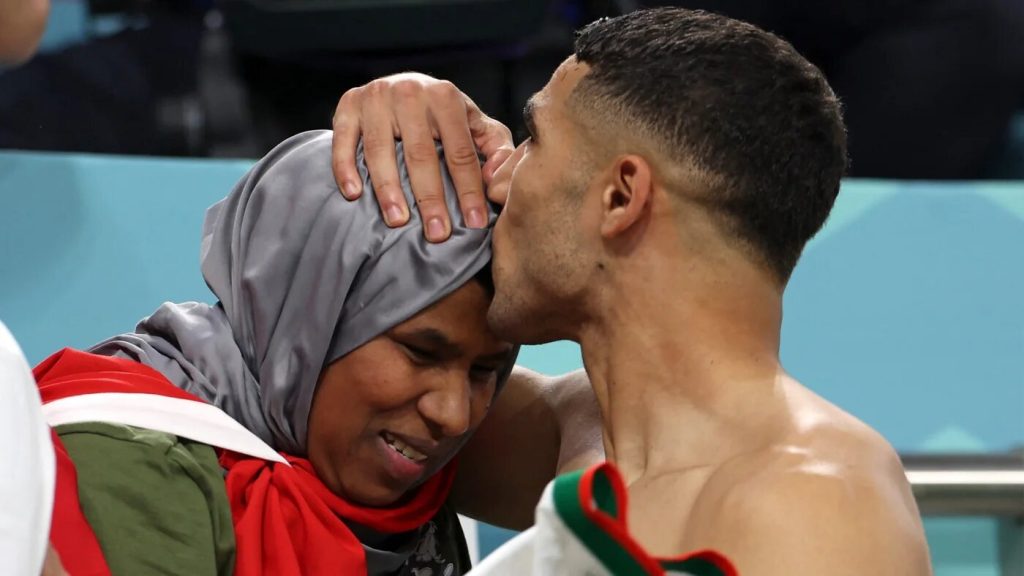
The image of Achraf Hakimi embracing his mother, Saida Mouh along the touchline at the 2022 FIFA World Cup in Qatar remains one of the defining visual monuments of modern sports. Its true gravity extends far beyond football. It was a public reflection of a cultural reality that King Mohammed VI of Morocco has spent more than a quarter-century building.
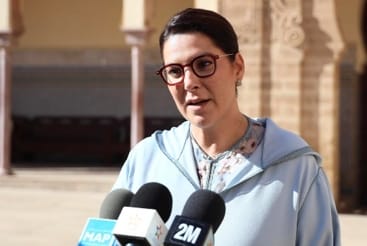
In Morocco, the transition from maternal respect on the touchline to political leadership in the premiership is not a sudden posture but a destination of a long-term vision. To some, the appointment of Fatima Ezzahra El Mansouri as Prime Minister might feel like a sudden leap. To those who have tracked the trajectory of Morocco’s modern development, it is the deliberate fulfillment of legal, economic and institutional reforms undertaken during the reign of King Mohammed IV.

The bedrock of this elevation began with the historic overhaul of the Moudawana (Family Code), through which King Mohammed VI dismantled systemic legal barriers and expanded women’s civil, legal and economic rights. This laid the statutory foundation required for genuine gender equity in public life.
Moroccan women have integrated into every layer of civic and economic authority driving industrial firms, heading corporate boards, leading technology startups and managing enterprises in historical Medinas.
This national strategy has extended equally into sports, where substantial Royal investments in athletic facilities and elite development created the ecosystem for the Atlas Lionesses to shatter regional precedents on the global stage, proving that Moroccan women could dominate arenas historically reserved for men.
The elevation of Prime Minister El Mansouri, a seasoned attorney, national coordinator of the Authenticity and Modernity Party (PAM), former Mayor of Marrakesh and former Minister of National Planning, Urban Planning, Housing and Urban Policy translate this entire societal framework directly into the highest office of executive authority.
By placing executive power in the hands of an accomplished female leader, the Moroccan monarchy sends a signal across the globe that genuine national advancement requires placing women at the apex of decision-making, demonstrating how deep-seated cultural heritage and integrated governance can unite to build a modern state.
Kenya can learn from Morocco that elevating women to top executive leadership requires more than constitutional quotas, it demands a deliberate long-term alignment of legal reforms, economic inclusion and systemic support that converts symbolic gestures into real political power.
Geoffrey Onditi is a Principal Producer at the Kenya Broadcasting Corporation