The Rwandan High Commissioner, Ernest Rwamucyo, reserved his warmest regards for Kenya during the celebration of Rwanda’s 32nd Liberation Day’s at the High Commission on Limuru Road.
In his speech, he credited Kenya with playing an integral role in the country’s reconstruction over the last three decades, reiterating that Kenya had remained a steadfast partner in the difficult years following the 1994 Genocide and its transformation into one of Africa’s fastest-growing economies.

“The people and Government of Kenya have contributed significantly to Rwanda’s reconstruction journey, and we sincerely thank them for this enduring friendship,” he said.
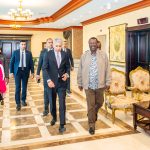
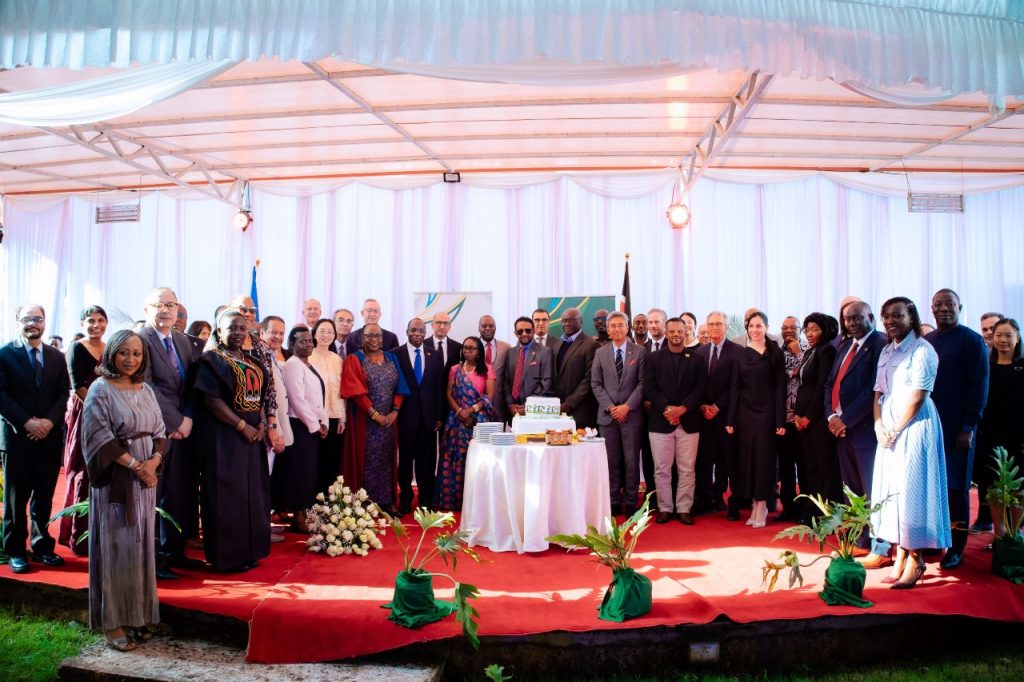
The celebration brought together diplomats, government officials, business leaders and friends of Rwanda, some of the guests included United Democratic Alliance (UDA) Secretary General Hassan Omar, for an opportunity to reflect on the sacrifice made by the brave men and women who fought to stop the genocide and under this year’s theme, ‘Rwanda’s Journey Continues’, Kwibohora 32 served as a way for Rwanda to woo investors.
“Triumph of hope over despair”
Observed annually on July 4, Liberation Day commemorates the end of the 1994 Genocide against the Tutsi after the Rwanda Patriotic Front (RPF) stopped the killings and liberated the country. More than one million people were murdered in just 100 days, making it one of the darkest episodes in modern history.
For Rwanda, or at least according to High Commissioner Rwamucyo, the day has come to represent much more than the end of conflict. It symbolises the country’s journey of rebuilding institutions, restoring national unity and pursuing development over the past 32 years.
Addressing guests, the High Commissioner reflected on what liberation continues to mean for Rwanda.
“Liberation Day occupies a unique and sacred place in Rwanda’s history. It is much more than the commemoration of a military victory,” he said. “It represents the triumph of hope over despair, unity over division, courage over fear and nationhood over the destructive politics that once sought to destroy our country.”
The High Commissioner described liberation as an ongoing responsibility rather than a completed chapter, saying Rwanda’s progress has been built on justice, accountability, inclusion and a determination never to return to the divisions that once tore the country apart.
“For Rwandans, liberation is therefore a continuing journey rather than a destination. It is the freedom to determine our own future. It is the responsibility to build institutions founded on justice and accountability.
“It is the commitment to reject discrimination in all its forms and to place every citizen at the centre of national development. Liberation means empowering every child with access to education, every family with better health care, every entrepreneur with opportunities to innovate and every citizen with confidence in the future of their country.”
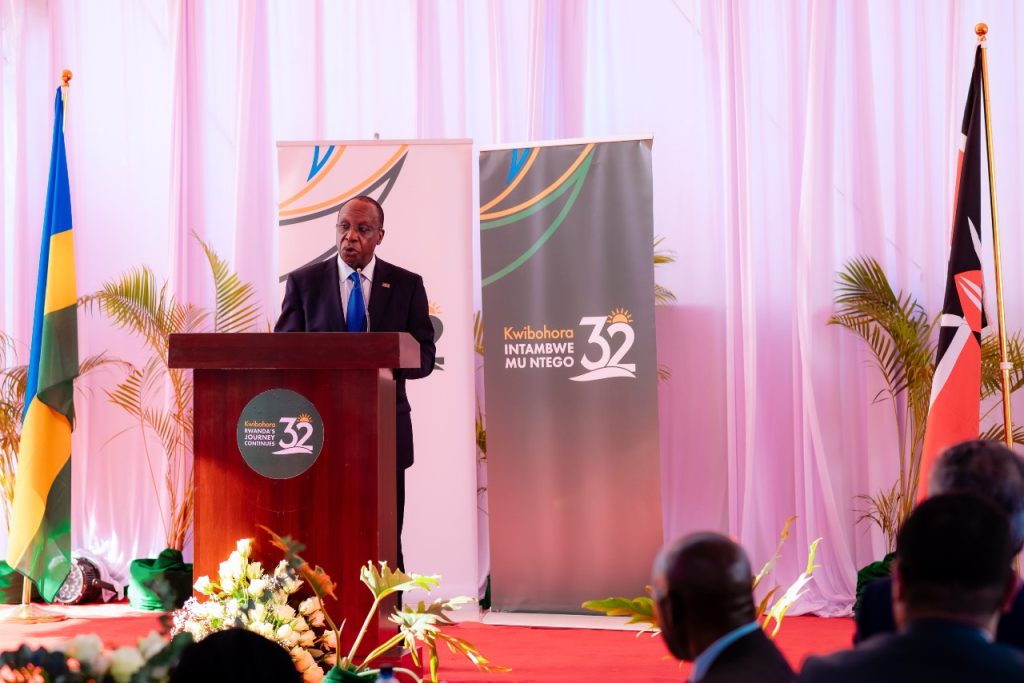
Representing the Government of Kenya and the Chief Guest of the event, Ambassador Patrick Wamoto described Rwanda’s recovery as an inspiration not only to Africa but to the world.
“Kwibohora is not simply a date on the calendar. It is the defining moment that commemorates the liberation of Rwanda and the end of the genocide against the Tutsi, a tragedy in which more than one million lives were lost in 100 days. It remains one of the darkest chapters in the history of humanity, and the world must never forget this lesson.”
Having previously overseen Kenya-Rwanda relations during his diplomatic career, Wamoto recalled witnessing the country’s rebuilding efforts firsthand, including the opening of Kenya’s embassy in Kigali and programmes that supported Rwanda’s post-genocide recovery.
He said Rwanda’s progress demonstrated what could be achieved through visionary leadership and national unity.
“Rwanda’s journey from unimaginable tragedy to renewal stands as a powerful reminder that even from the deepest wounds a nation can rise stronger, united by a common purpose and a shared destiny. Thirty-two years later, Rwanda stands as a testament to what visionary leadership, national unity, resilience and an unwavering commitment to the welfare of its people can achieve.”
He added that Kenya and Rwanda would continue strengthening their partnership through trade, regional integration and peace-building efforts.
“Kenya greatly values its close friendship with Rwanda, a relationship anchored in mutual respect, shared aspirations and a common commitment to regional integration and African solidarity. Our two countries continue to work together in advancing peace, security, trade and sustainable development for the benefit of our peoples.”
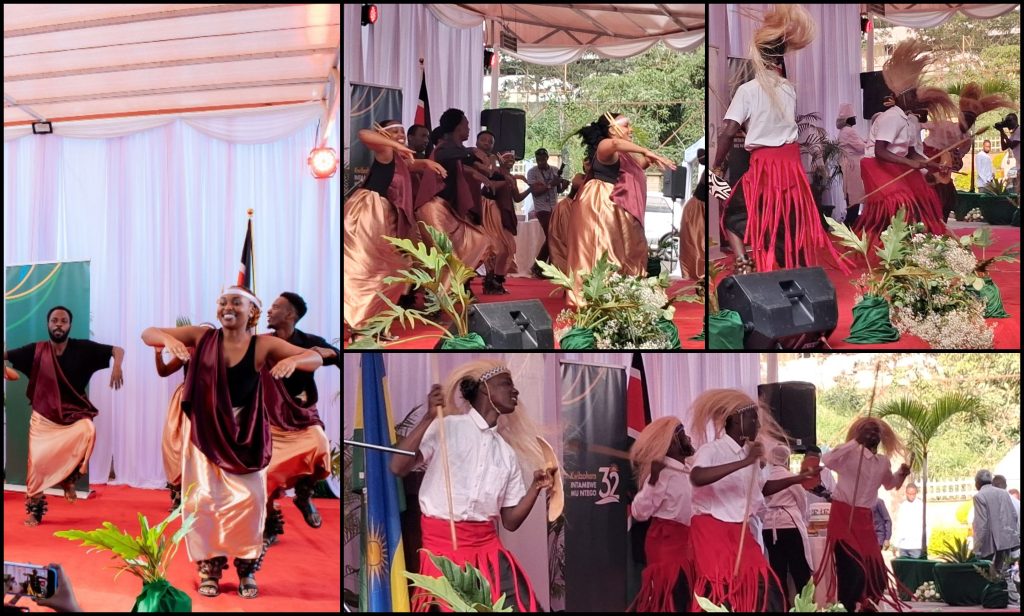
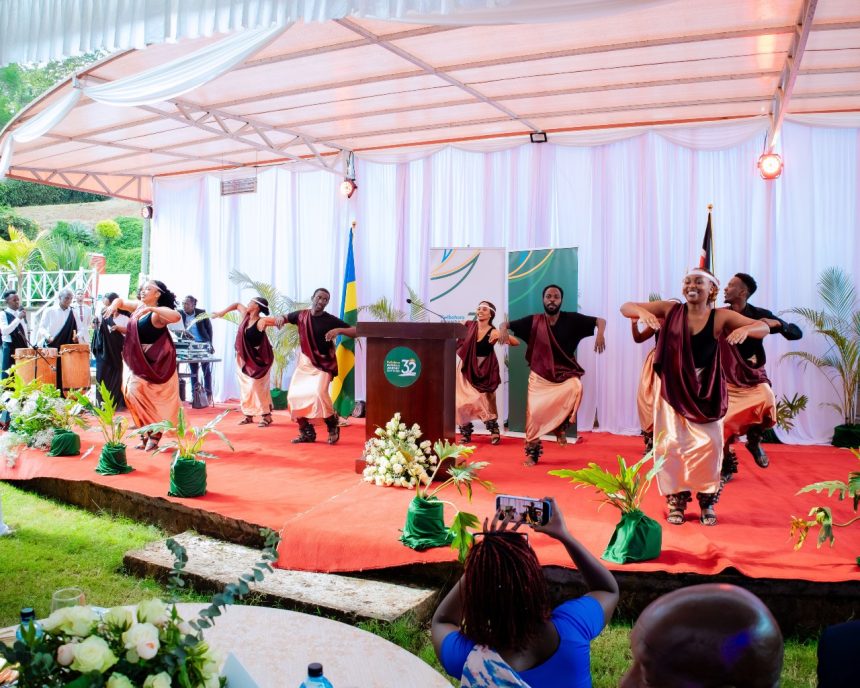
The celebration also featured traditional and colourful performances by the Iikoobe cultural dance troupe as well as a commemorative cake donated by Utalii College to mark the occasion before guests were treated to an early dinner as they mingled.