National Assembly Speaker Moses Wetang’ula has urged residents living along the Kenya-Uganda border to follow health guidelines to protect themselves against Ebola following confirmation of Kenya’s first imported case of the disease.
Wetang’ula called for increased vigilance in border counties, including Bungoma as health authorities stepped up screening and surveillance to prevent further transmission.

The Ministry of Health confirmed on October 6, 2026, that a Kenyan man who had been living in the Democratic Republic of the Congo (DRC) had tested positive for Bundibugyo Ebola virus disease.
He travelled through Uganda before arriving in Nairobi on October 3 and later died.
The World Health Organisation said the case had prompted public health response measures in Kenya and Uganda, including contact tracing.
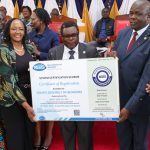
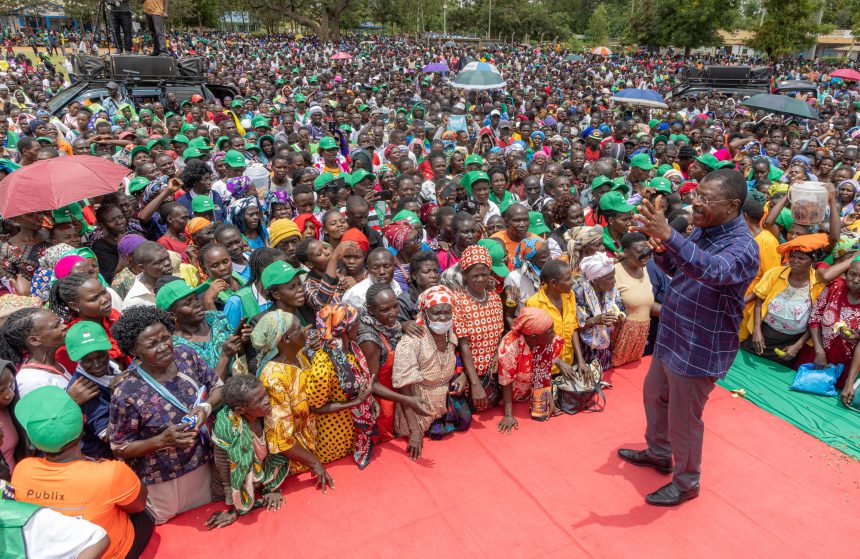
Speaking at Kimaeti Primary School in Bungoma County during a women’s empowerment drive, Wetang’ula said residents needed to remain vigilant because of the county’s proximity to Uganda.
He urged the public to follow preventive measures issued by the Ministry of Health to protect themselves and their communities.
“There is no cause for worry over the spread of Ebola in Kenya but strict adherence to precautionary measures will help the country avoid devastating situations such as those experienced during the COVID-19 pandemic,” Wetang’ula said.
The Ministry has intensified screening at points of entry, including Malaba and strengthened surveillance to detect suspected cases.
On October 7, Health Cabinet Secretary Aden Duale said Kenya was not experiencing an Ebola outbreak despite the confirmed imported case.
The Ministry also reported that temporary isolation centres had been identified at Malaba and Kocholia while Alupe was undergoing renovation.
Screening had also been intensified at Jomo Kenyatta International Airport, particularly for travellers arriving from countries linked to the outbreak.
Wetang’ula called for truck drivers to be prioritised in screening because of their frequent cross-border movements.
Bungoma Governor Kenneth Lusaka said the county government was working with the national government to strengthen disease surveillance and raise public awareness.
“We are aware of the risks the county faces because it borders Uganda. That is why our medical staff are working with those from the national government to screen people travelling into the country from Uganda while creating awareness about precautionary measures against the disease,” Lusaka said.
President William Ruto’s aide, Farouk Kibet, urged residents to exercise caution when interacting with truck drivers transporting goods from the DRC and Uganda.
“I am aware that our people, especially women, interact with truck drivers. For the sake of their health and to help curb the spread of Ebola, I urge them to exercise caution and avoid unnecessary contact,” he said.
The Ministry of Health has advised Kenyans to avoid close contact with sick people who may have been exposed to Ebola, practise good hand hygiene and seek medical attention promptly if they develop symptoms or suspect exposure.
Members of the public can call the Ministry’s toll-free health information line 719 for guidance.
On development, Wetang’ula announced that Ksh7 billion had been factored into the budget for the expansion of the Malaba-Eldoret Highway into a dual carriageway.
He said the road would link up with the ongoing Rironi-Mau Summit-Eldoret highway project.
The Speaker also announced an additional Ksh2.5 billion for the Last Mile Electricity Connectivity Project in Bungoma County which aims to connect more households to the national electricity grid.