Kenya has become the first African country to join the global Dengue Alliance, strengthening efforts to improve research, diagnosis and treatment of a mosquito-borne disease whose burden is increasingly being recognised across the continent.
The Alliance, established in 2022, brings together research institutions in dengue-endemic countries to accelerate the development of safe, effective and affordable treatments for the disease.

KEMRI’s membership is expected to expand research collaboration in Africa and ensure that patients on the continent are considered in future clinical studies.
“Dengue is a growing public health concern in Africa, but its true burden remains underestimated due to underdiagnosis and underreporting,” said Dr Erick Muok, Acting Director of Research and Development at KEMRI.
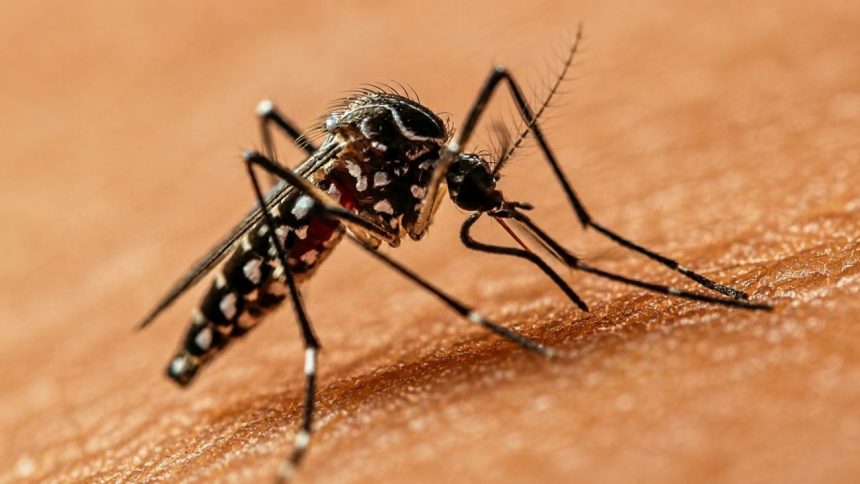
Dengue is a mosquito-borne viral infection transmitted primarily by the bite of infected Aedes mosquitoes.
He said the institute would contribute African expertise and evidence to strengthen global research, surveillance, diagnostics and clinical management of the disease.
According to the World Health Organization (WHO), Kenya reported nearly 10,000 dengue cases between January and August 2026, compared with 4,300 cases in 2025 and 1,400 in 2024.
All four dengue virus serotypes have been detected in Kenya since the country’s first reported epidemic in 1982.
Recent transmission has also been reported beyond traditionally affected coastal areas, including northern and western Kenya and regions bordering Uganda, South Sudan and Ethiopia.
Dr André Siqueira, Head of the Global Dengue Programme at the Drugs for Neglected Diseases initiative (DNDi), said KEMRI’s expertise in clinical research, diagnostics, surveillance and outbreak response would help ensure research addressed the needs of affected African populations.
Although vaccines and mosquito control measures have advanced, there is still no specific treatment for dengue, he said, underscoring the need for further research.
The Alliance is working to address this gap through several treatment approaches, including a promising candidate being developed by DNDi and the Serum Institute of India.
The candidate is expected to enter Phase III clinical trials in early 2027 in Brazil, Thailand and Malaysia. Researchers are also investigating antiviral medicines and host-directed therapies.
The partnership’s expansion comes amid growing evidence that dengue transmission in Africa is more widespread than previously recognised.
Recent DNDi-led studies in Senegal, Ghana and the Democratic Republic of the Congo have highlighted the extent of underdiagnosis and underreporting, which can undermine outbreak preparedness and the allocation of resources for prevention and control.
Detailed findings from the studies are expected in early 2027, and KEMRI will contribute its expertise in arboviral diseases, clinical research, diagnostics, surveillance and climate-related health research to improve understanding of dengue transmission and support the development of new medicines.