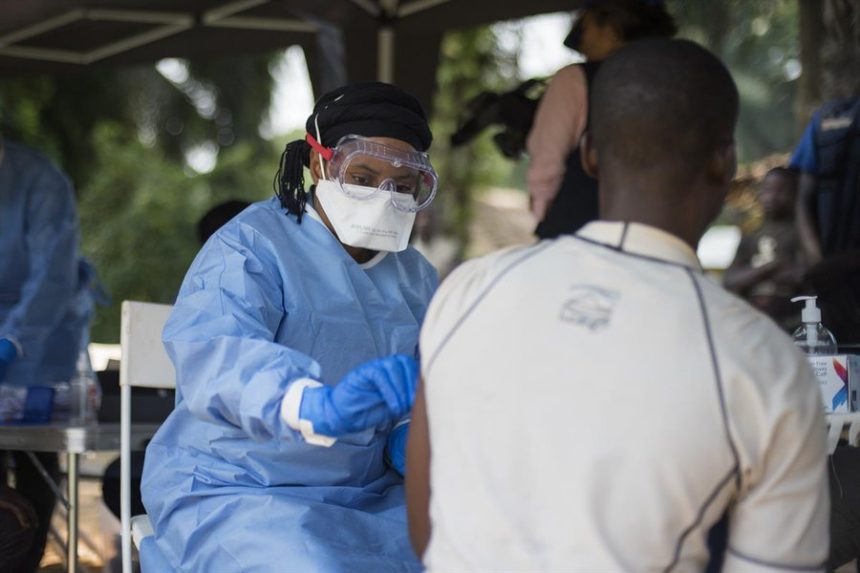
How the Ebola virus spread from one person to another
The World Health Organisation (WHO) says Ebola virus spreads through direct contact with the blood, body fluids, or tissues of an infected person, including someone who has died from the disease.

It can also spread through contaminated objects such as bedding, clothing or medical equipment.
Health workers and caregivers are at higher risk if infection prevention measures are not strictly followed.
Common signs and symptoms of Ebola infection
Some of the common symptoms include sudden fever, weakness, headache, muscle pain and sore throat.
As the disease progresses, patients may develop vomiting, diarrhea, rash, stomach pain and, in some cases, bleeding. Symptoms can appear between 2 and 21 days after exposure to the virus.
Most at risk of getting Ebola
According to WHO, people most at risk include hunters, family members caring for infected relatives, health workers without adequate protective equipment, laboratory personnel handling samples, and individuals involved in unsafe burial practices.
Communities with frequent population movement or limited access to healthcare may also face increased risk during outbreaks.