More than 210 road junctions in Nairobi will be connected to a real-time intelligent traffic management system under a new government plan unveiled by President William Ruto to ease congestion in the capital.
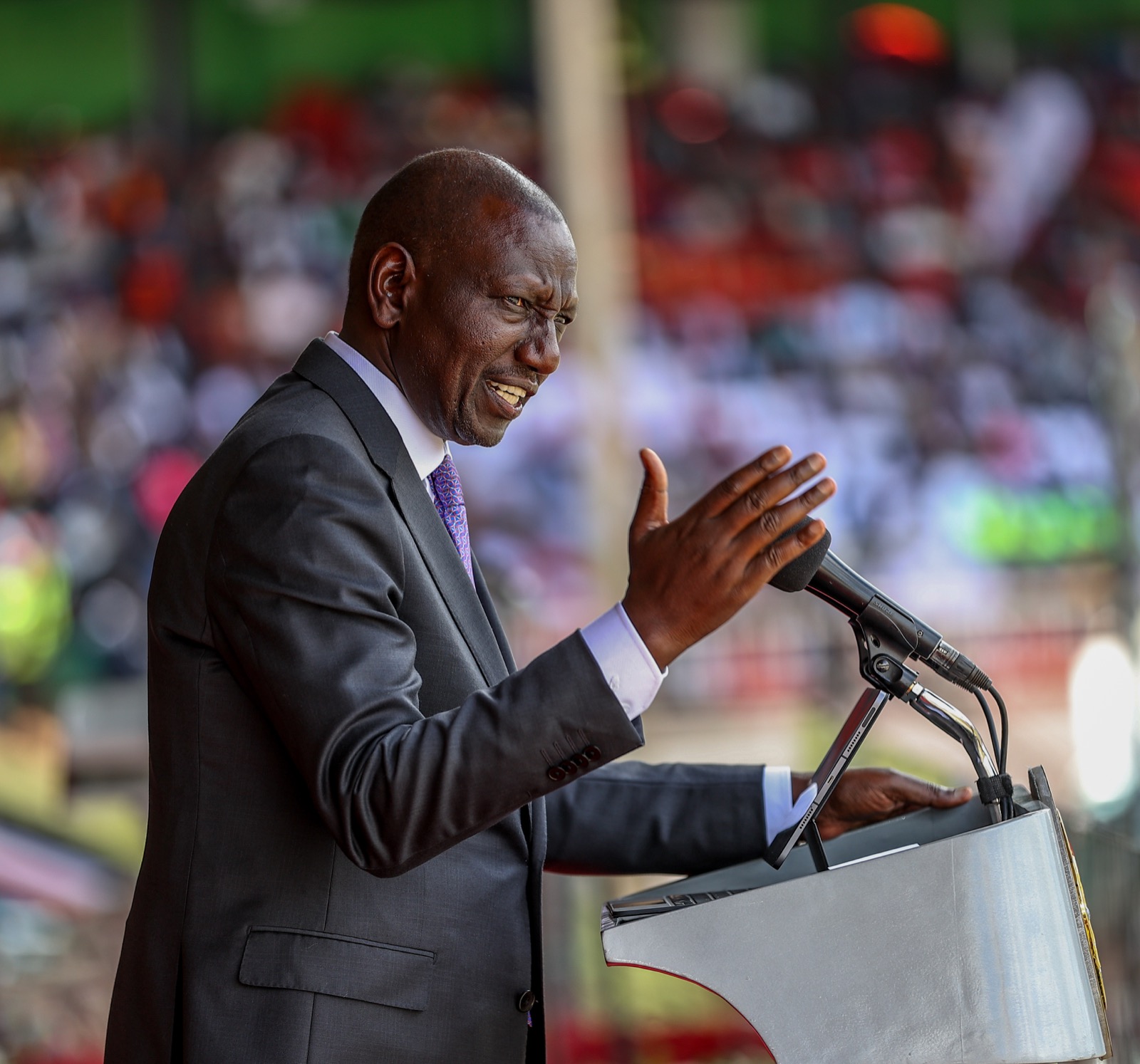
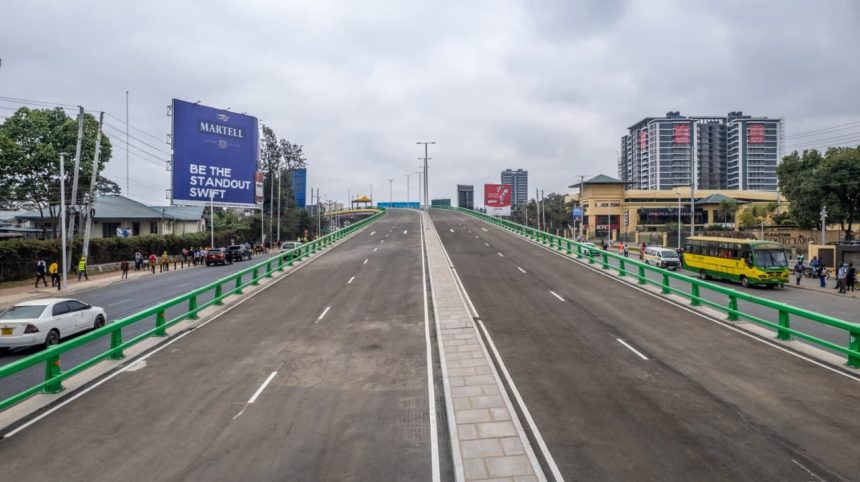
Speaking during the official opening of the Ngong Road-Naivasha Road Flyover, the President described the Nairobi Intelligent Transport System (ITS) as one of the most significant investments in smart urban mobility on the continent, saying it will fundamentally change how traffic is managed in the city.

The first phase of the project, valued at Ksh7.9 billion, is already under construction and will cover 25 signalised junctions alongside a modern Traffic Management Centre.
A second phase, costing Ksh13 billion, will extend the system to 60 additional junctions, while a third phase worth Ksh24 billion will bring another 125 junctions under intelligent traffic management.
“This is how modern cities work; not simply by building more roads but by making every kilometre of infrastructure work smarter and more efficiently,” the President said.
Ruto said the initiative forms part of a broader strategy to address years of congestion that have slowed economic activity and reduced productivity in the capital.
He noted that traffic jams have increased the cost of doing business, delayed workers, kept traders away from customers and denied families valuable time.
“Congestion is not merely a transport challenge. It is an economic challenge. Every hour lost in traffic is an hour of productivity forfeited, income delayed and opportunity diminished,” he said.
The President further outlined several major infrastructure projects underway across Nairobi, saying they are collectively removing transport bottlenecks that have constrained the city’s growth for decades.
Among them is the Ksh2.99 billion Upper Hill-Kenyatta Avenue Viaduct, which is 60 per cent complete and is expected to improve access into the Central Business District.
He also announced the commencement of the Ksh1.6 billion upgrade of State House Road and the construction of Ksh3.9 billion access roads to Talanta Sports City ahead of the 2027 Africa Cup of Nations.
In addition, the government is preparing to dual the 23.5-kilometre Kiambu Road corridor from Muthaiga to Kiambu, together with its bypasses, through a Ksh30 billion investment expected to unlock faster movement of people and goods while opening Nairobi’s northern metropolitan region to more housing, commercial development and investment.
Nairobi Urban Regeneration Programme
The government is also implementing the Nairobi Urban Regeneration Programme to improve transport infrastructure across all parts of the city.
He said 729 kilometres of urban roads are currently under routine maintenance, while 62 kilometres are being rehabilitated under the first phase of the programme, which is already 85 per cent complete at a cost of Ksh1.9 billion.
A further 59 kilometres will be upgraded under the second phase through a Ksh1.7 billion investment, while the third phase will deliver another 45 kilometres of roads at an estimated cost of Ksh2.5 billion.
“Our objective is straightforward: Every ward in Nairobi should benefit from modern, reliable road infrastructure. Development cannot be reserved for a few neighbourhoods while others are left behind,” he said.
To strengthen the city’s resilience, Ruto said the government is also investing Ksh2 billion in a drainage improvement programme aimed at reducing flooding and protecting homes, businesses and critical infrastructure during heavy rainfall.
“We are determined to build a capital city that is efficient, connected, resilient and globally competitive, a city worthy of Kenya’s place as the economic gateway to Eastern Africa,” he said.