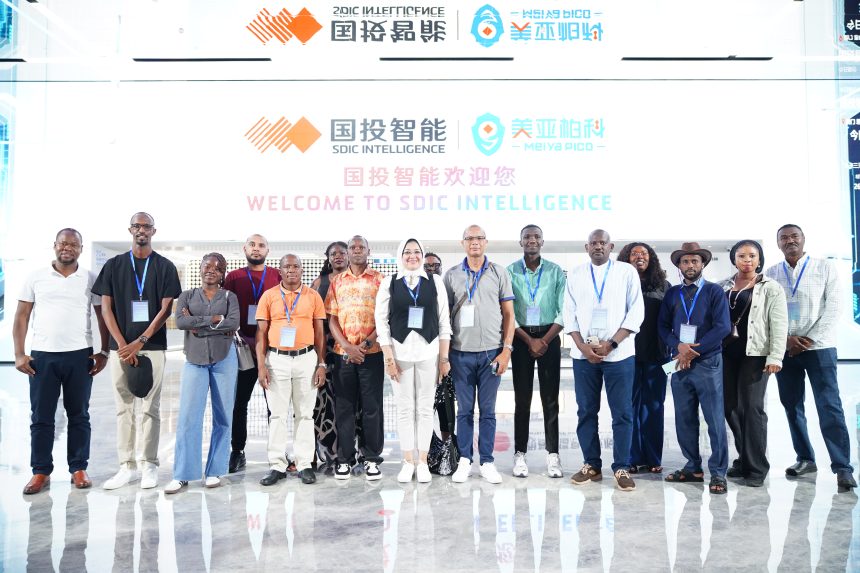
When I walked into the headquarters of SDIC Intelligence Information Technology Co. Ltd. in Xiamen, Fujian Province, during a two-week digital economy workshop in China, what struck me was not simply the sophistication of the technology on display. It was the scale of the ecosystem behind it.
China boasts numerous companies in cybersecurity, artificial intelligence, big data, and digital government. What makes SDIC Intelligence interesting from an African perspective is the way it brings these capabilities together to address a crucial issue, which is how governments, law enforcement, and other institutions protect, analyse, and use digital information in an increasingly connected society.

Founded in 1999as Meiya Pico, SDIC Intelligence has grown into a major Chinese firm in electronic data forensics and digital economy security. Its work focuses on digital forensics, public security big data, cybersecurity, and digital government and enterprise digitalisation. This combination gives it a unique position in China’s digital security landscape.
During our visit, the company showcased technologies for collecting, preserving, and analysing electronic evidence. These included AI-assisted forensic tools, systems for tracking evidence from start to finish, and specialised Wi-Fi forensic capabilities. For someone from Kenya, where law enforcement faces increasingly complex digital crimes, the practical importance of these tools was clear.
Mr. Kong Yuefeng from SDIC Intelligence’s International Business Department explained that their work goes beyond individual forensic tools. It involves a complete system for handling digital evidence, from gathering and analysing it to ensuring its integrity throughout the investigation.
This approach is highly relevant for African countries, where cybercrime is evolving faster than the institutions designed to combat it.
Mobile connectivity has transformed African economies, but it has also created more opportunities for cyberattacks. Crimes like telecom fraud, online scams, data breaches, and cyber-enabled financial crime increasingly require investigators to work with information spread across phones, computers, networks, and online platforms.
This is where SDIC Intelligence’s experience can be valuable. The company’s approach to electronic data forensics isn’t limited to extracting information from a single device. Its systems combine data from multiple sources, allowing for the analysis of complex cases. Their “One Laboratory, One Platform” model also offers a potential blueprint for countries like Kenya looking to strengthen their specialised digital forensic laboratories.
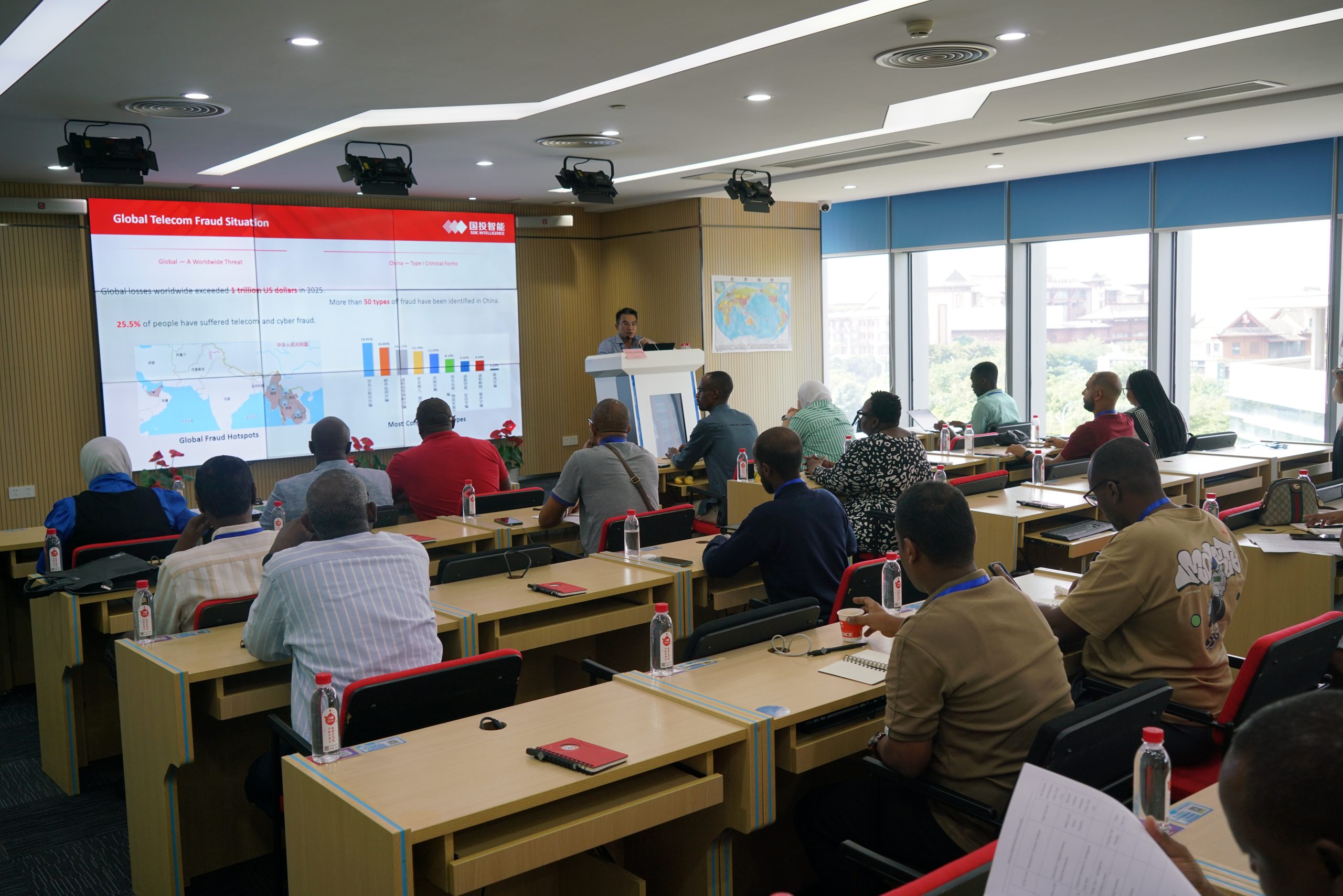
And these opportunities extend beyond law enforcement. SDIC Intelligence’s work in public security big data points to another area where African governments can learn from China’s experience. As governments digitise public services, they are generating enormous volumes of data. The challenge is no longer just collecting information, but securely managing, analysing, and using it to make better decisions.
The company’s expertise in digital government and enterprise digitalisation therefore presents another potential area for collaboration.
What impressed me most was the strong connection between government, industry, and innovation. Our programme also included visits to Meitu and the China-BRICS New Era Science and Technology Innovation Incubation Park. This provided a broader understanding of how China’s technological development links government priorities, private-sector innovation, and practical applications.
This is important to Kenya and other countries in the Global South because digital transformation requires more than just buying technology. It demands skills, strong institutions, clear standards, local expertise, and long-term partnerships.
This is where China-Africa cooperation under the Belt and Road framework could become even more impactful.
Instead of viewing cybersecurity as a narrow technical issue, cooperation could focus on building local forensic laboratories, training investigators and prosecutors, developing digital evidence standards, strengthening public-sector data protection, and creating specialised skills for new areas like artificial intelligence and cybercrime investigation.
SDIC Intelligence’s training base could support this agenda by offering professional programmes for Kenyan and African law enforcement officers, cybersecurity specialists, and government officials.
There’s also an important question of localisation. African countries cannot simply replicate China’s digital security architecture. Their legal systems, institutional structures, markets, and technological environments are different, but it can be adapted to African realities.
My visit to SDIC Intelligence left me with the impression that the most significant opportunity is not just technology transfer, but also knowledge transfer and building institutional capacity.
China’s digital economy has been built through a vast ecosystem of companies, government institutions, and research capabilities. SDIC Intelligence is a key part of this ecosystem, especially because its work connects security, data, and digital transformation.
For Kenya and Africa, the challenge now is to turn this exposure into practical cooperation.
The next phase of China-Africa digital engagement might not just be about faster internet or smarter devices. It may be the ability to secure the digital societies that connectivity is creating. SDIC Intelligence offers one possible pathway into that conversation.