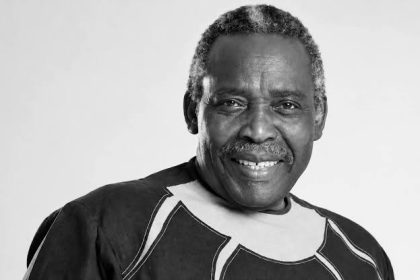
Land in Kenya is an economic asset and a personal marker of identity, but given the country’s colonial history and the injustices endured during that period, it also remains at the centre of questions of ownership, tenure and access.
According to a report published by the National Lands Commission, it has received 3,665 claims relating to historical land injustices.

It is against this backdrop that Kenyan journalist and filmmaker Bea Wangondu explores the land issue in ‘Kikuyu Land ‘, a documentary she co-directed with Emmy Award-winning filmmaker Andrew H. Brown.
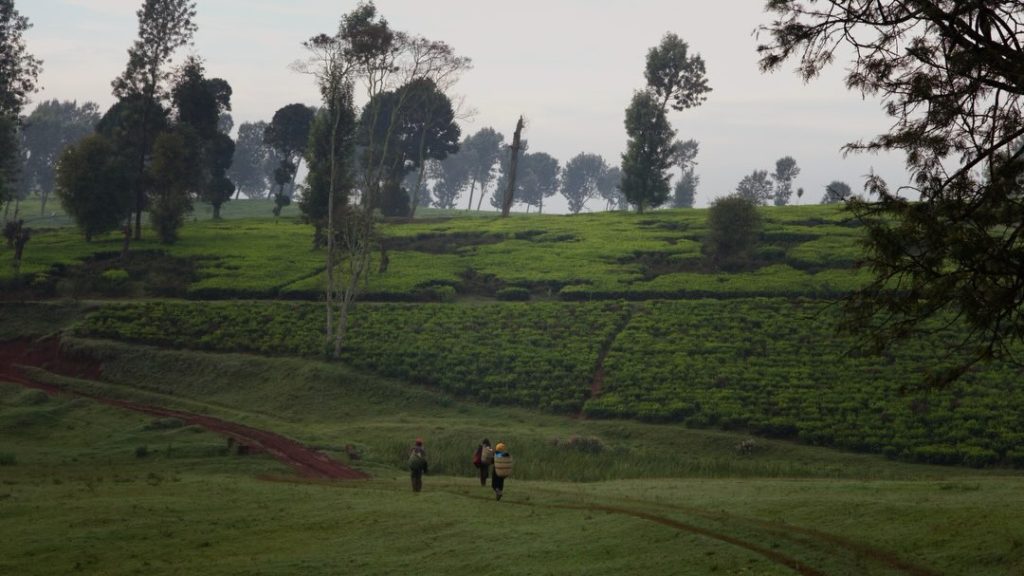
Set in one of the country’s tea-growing highlands, the film follows a land claimant seeking justice for land taken from his family, as Wangondu’s investigation uncovers a much longer history of colonial dispossession and family secrets.
Following its screening at the Sundance Film Festival early this year, the film will make its Kenyan debut at the NBO Film Festival, set to begin on October 15 to 25.
KBC Digital caught up with Bea Wangondu ahead of the film’s homecoming to discuss its international circuit, her personal ties to the story and the significance of its homecoming.
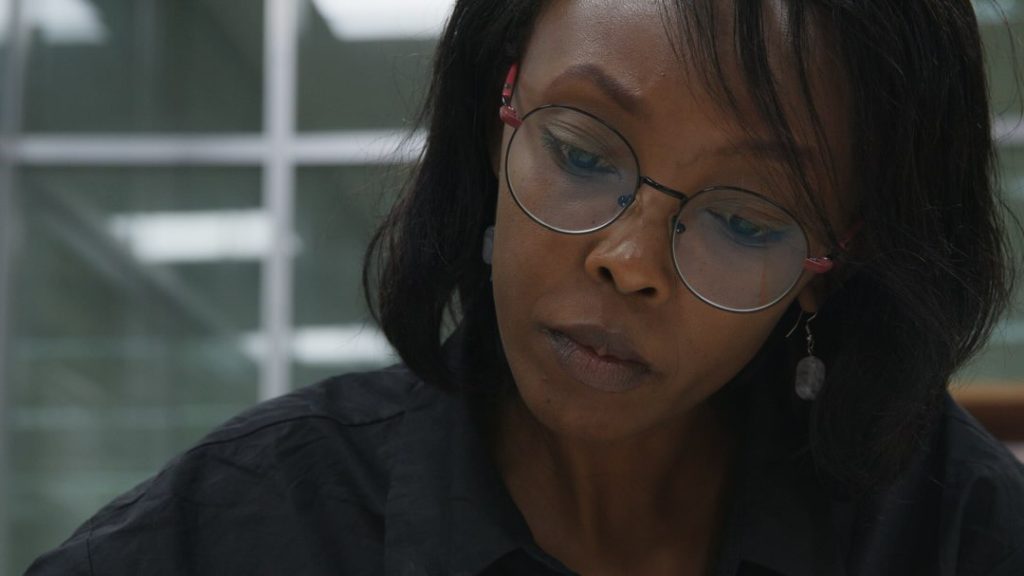
To me, filmmaking is a responsibility”.
Since the NBO Film Festival is right around the corner, as a filmmaker and after the international circuit, what does it mean to finally bring the film home?
Kikuyu Land’s homecoming means everything to me and the team! We’ve carried this story to audiences around the world, and now we finally get to share it with the people whose history, land and lived experiences are at the heart of the film!
That’s a great way to put it, and to stay on that topic, the theme for the festival this year is ‘Cinema For Us ’. What does that phrase mean to you in relation to this film and its scheduled screening?
I mean, it’s a privilege to have made a small contribution to the Kenyan cinema for our people. The film has screened in over 40 film festivals globally since its release, and the feedback has been overwhelming. Our people and our stories were being seen and appreciated on these international platforms.
The film has also been an important tool for challenging some of the misconceptions people have about Kenya. It has opened conversations about what colonialism did to Kenya, what it took from us, and the ways those consequences continue to shape our lives today.
Most importantly, though, is that we were able to tell this story through our own lived experiences. Kenyans don’t need an introduction to colonialism, but they know that land remains elusive and incredibly expensive, whether you’re trying to acquire it or reclaim what was stolen.
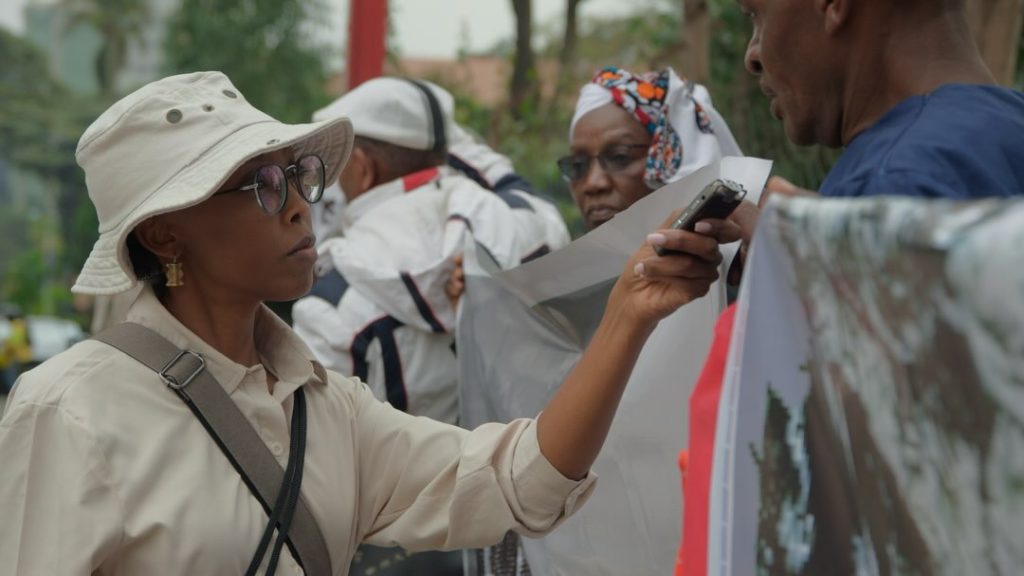
I was confronting truths I wasn’t necessarily ready for. The discoveries were brutal!”
40 is quite a number. What have those audiences taught you about how people outside Kenya respond to this story?
Globally, there’s an utter hunger for African film. My biggest affirmation throughout this journey has been that Africans must tell their own story in their own peculiar way.
That I don’t have to dilute or explain away the specificity of my story for it to resonate internationally. That we owe it to ourselves to tell stories of where we come from, questioning where we are, and perhaps helping us imagine where we want to go. To me, filmmaking is a responsibility.
How do you hope, or what are you curious to see when Kenyan audiences see this film?
The film has two very grounded, but quite contrasting, sides to it. I’m curious to see how Kenyan audiences respond to each of those sides and what they see in themselves (or their families) when they watch it.
I hope the film gives our audiences room to introspect. I don’t necessarily expect everyone to walk away with the same interpretation, and I think that’s part of the beauty of cinema. I’m interested in the conversations that emerge afterwards.
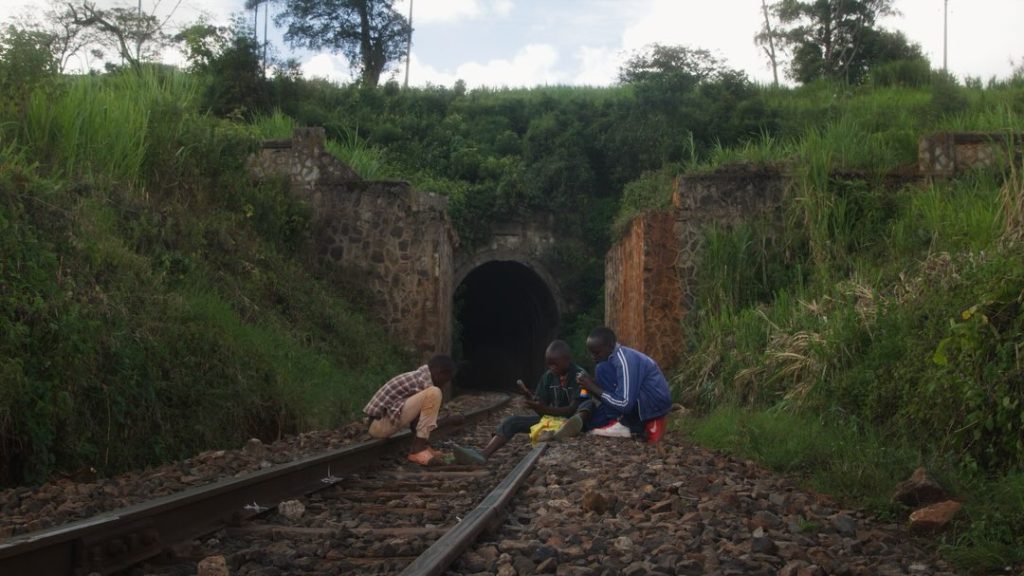
Africans must tell their own story in their own peculiar way”.
As I understand it, this story is not journalism for you; this is a personal story, is that right?
Both are true to my experience. I was (and still) relate to each of our characters on an extremely personal level, but when it came to my own family story, I almost abandoned ship. I was confronting truths I wasn’t necessarily ready for. The discoveries were brutal! At this point, the distance between journalism and confronting my family history disappeared.
Did any of these discoveries change how you viewed your own history?
I now know that those two cannot be separated. My offering is that understanding our history gives us the opportunity to ask what we want to carry forward, what we need to confront, and what we need to change.
What conversations do you hope this film sparks once it premieres?
That the film opens up a much larger conversation around land repatriation across Kenya. Land is not just a historical question. It remains a very present and deeply personal issue for many people. I hope we see a stronger demand for accountability and responsible management of public resources. I also want justice to be done.
‘Kikuyu Land’ will screen at Prestige Cinemas, Kaloleni Social Hall and Unseen Nairobi during the festival run with extended screenings at Unseen Nairobi thereafter.