China is making significant strides in its pursuit of a greener future, with remarkable progress in clean transportation and large-scale tree planting initiatives. A visit to Beijing quickly reveals how deeply electric mobility has integrated into daily life.
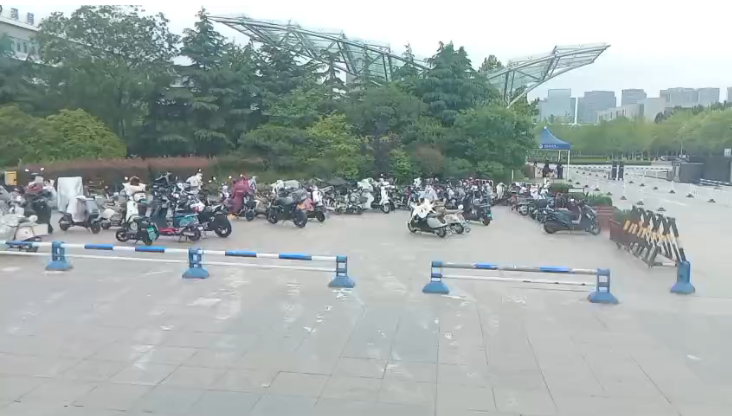
Unlike many countries, including Kenya, where petrol-powered motorcycles are prevalent, electric bikes and scooters dominate the streets of the Chinese capital. Residents rely on them for commuting, shopping, delivering goods, and running daily errands. “Rarely do you see people walking long distances to work or to shop,” notes Professor Hong Li from the Communication University of China. “Most people use electric bikes because they are convenient, affordable, and easy to charge.”

The widespread adoption of electric bikes is a cornerstone of China’s broader strategy to reduce carbon emissions and enhance air quality. The government has actively promoted the use of e-bikes and electric motorcycles to curb pollution, decrease oil consumption, and bolster the nation’s burgeoning electric vehicle industry. These electric two-wheelers have also become indispensable to China’s delivery sector, providing millions of workers with an affordable and efficient mode of transport. Estimates suggest that between 200 million and 350 million electric bicycles and scooters are currently in use across China. With more than one in seven people relying on them for daily transport, China has emerged as the world’s largest market for two-wheeled electric vehicles, accounting for over 60 percent of global e-bike production.
China’s commitment to cleaner transport extends beyond electric bikes. The country is now the world’s largest market for electric vehicles (EVs), with electric and plug-in hybrid vehicles representing nearly 63 percent of new vehicle retail sales – a record high that underscores the accelerating shift away from conventional petrol-powered vehicles.
A noticeable feature on Chinese roads is the distinct color of vehicle registration plates: electric vehicles display green plates, while petrol-powered vehicles have blue ones. “Many new car buyers prefer electric vehicles because of the benefits that come with them,” explains Beijing resident Zhang Wei. In major cities such as Beijing, Shanghai, and Guangzhou, EV owners enjoy various incentives, including exemptions from certain traffic restrictions and access to preferential parking arrangements. These measures are integral to China’s plan to achieve carbon neutrality by 2060 and increase the adoption of clean energy vehicles.
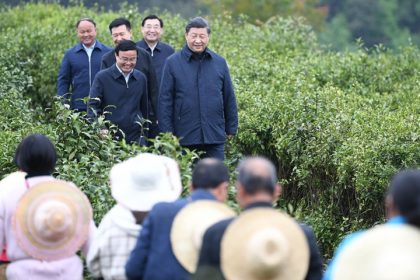
China’s environmental endeavors are equally visible outside its urban centers. Across the country, extensive tree planting programs are actively restoring areas once ravaged by desertification and soil erosion. Through ambitious projects like the Three-North Shelterbelt Programme and the Grain for Green Programme, China has added an estimated 40 million to 70 million hectares of new and regenerated forest over the past several decades. Forest cover now accounts for more than 25 percent of the country’s total land area.
These massive tree planting campaigns aim to improve air quality, protect farmland, mitigate the effects of climate change, and restore degraded ecosystems. China’s efforts have also made a significant contribution to global greening. Studies estimate that the country is responsible for approximately one-quarter of the world’s net increase in leaf area since the early 2000s. Today, China increasingly leverages modern technology, including artificial intelligence systems, to monitor its forests and enhance environmental management.
From the ubiquitous electric bikes on Beijing’s streets to the millions of trees planted nationwide, China’s green transition is becoming increasingly palpable. While challenges undoubtedly remain, the nation’s substantial investment in clean transportation and environmental restoration serves as a compelling example of how government policy, technological innovation, and public participation can converge to support sustainable development.