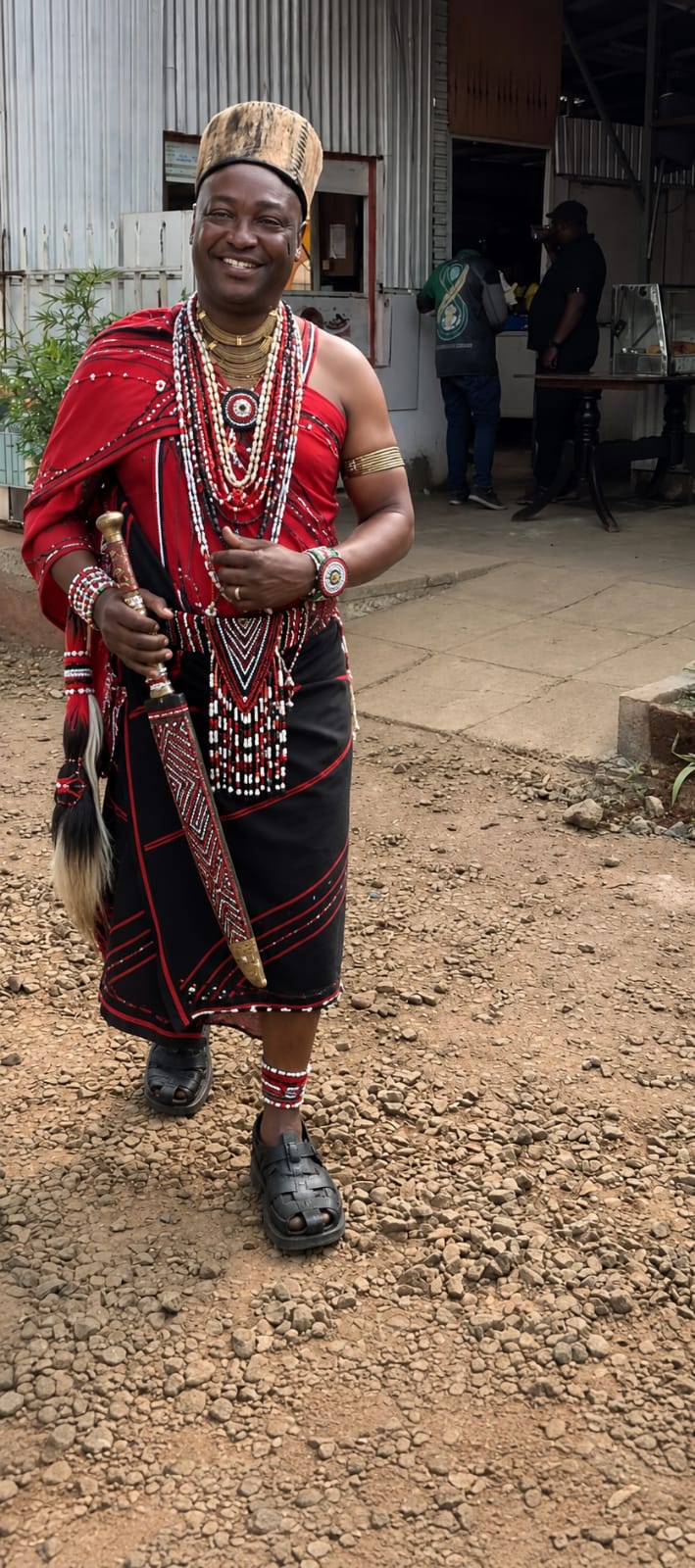
One of the Akamba community’s largest clans is reviving its traditional leadership structure in a bold bid to reclaim political relevance, arguing that despite producing some of Kenya’s most distinguished independence-era leaders, it has been sidelined in national affairs for decades.
As Kenya’s political class remains consumed by succession politics and the 2027 presidential race, a quieter but potentially significant political realignment is taking shape in Ukambani.

The Anzauni clan, estimated to number about 400,000 members, has embarked on an ambitious campaign to rebuild its political influence through the revival of its traditional chiefdom, saying the community has for years been overlooked in national appointments, development and decision-making despite its historic contribution to the country.
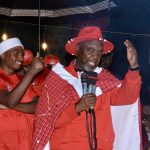
Clan elders meeting in Machakos on July 25 resolved to reorganise under a formal traditional leadership structure and installed National Liberal Party leader Dr. Augustus Kyalo Muli as Chief Kyalo Muli I, with his official inauguration scheduled for October 3.
“We are moving our clan from obscurity to national prominence,” Chief Kyalo Muli I declared after the meeting.
The move seeks to reconnect the clan with a legacy that stretches back to Kenya’s struggle for independence.
Among its most celebrated sons was Muimi Nzau, who was elected to the Legislative Council in 1957 under the Lyttleton Constitution, becoming one of the first eight African legislators. He served alongside nationalist leaders including Tom Mboya, Ronald Ngala, Oginga Odinga, Daniel arap Moi and James Gichuru during the constitutional negotiations that paved the way for independence.
The clan also counts among its distinguished members Kisoi, who raised the Kenyan flag on Mount Kenya at independence; Fred Mati, the country’s first Speaker of the National Assembly; Nyiva Mwendwa, Kenya’s first woman Cabinet minister; and her husband Kitili Mwendwa, the first African Chief Justice after independence.
Clan leaders argue that despite producing such prominent national figures, the Anzauni have steadily faded from the country’s political centre and have not enjoyed commensurate representation in public appointments or development programmes.
Chief Kyalo Muli’s elevation also introduces a new political dimension.
The National Liberal Party leader rose to national prominence in 2024 after successfully challenging attempts to block his nomination to the IEBC Selection Panel, resisting pressure to surrender the position to a rival candidate backed by Wiper leader Kalonzo Musyoka.
Since then, he has emerged as a vocal critic of both the Kenya Kwanza administration and sections of the Ukambani political leadership, insisting that his party will only support governments that present concrete development plans for the region.
Political observers say the revival of the Anzauni chiefdom could strengthen his grassroots influence by providing an organised social and cultural base at a time when political alignments ahead of the 2027 General Election are rapidly taking shape.
Organisers expect more than 10,000 clan members from across the country to attend Chief Kyalo Muli I’s inauguration on October 3. Invitations have also been extended to leaders from both the government and opposition, signalling an event likely to attract political attention beyond Ukambani.
Whether the revival of the Anzauni chiefdom evolves into a significant political force remains uncertain. However, the clan’s decision to reorganise under a unified traditional leadership marks an attempt to transform a community with a celebrated past into a more influential player in Kenya’s contemporary political landscape.