The Judiciary has begun training magistrates in all 47 counties on electoral dispute resolution as part of early preparations for the 2027 General Election.
The nationwide exercise seeks to ensure courts are ready to handle election petitions within strict constitutional timelines, with the Judiciary planning to equip more than 400 judicial officers and staff before the elections.

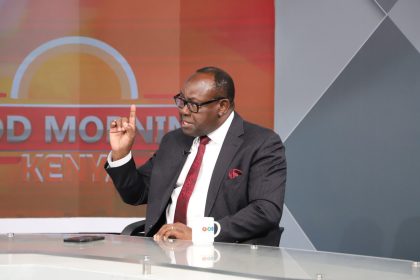
High Court Principal Judge and Judiciary Committee on Elections member Justice Eric Ogola stated that election petitions carry significant constitutional implications.
Ogola urged judicial officers to handle electoral disputes with seriousness and speed, warning against frivolous proceedings that could undermine public confidence in the electoral process.
High Court Judge Justice Emily Ominde who represented Judiciary Committee on Elections Chairperson Justice Mohamed Warsame, said the preparations were deliberate and necessary to safeguard the right to fair elections and ensure disputes are resolved fairly before, during and after the 2027 polls.
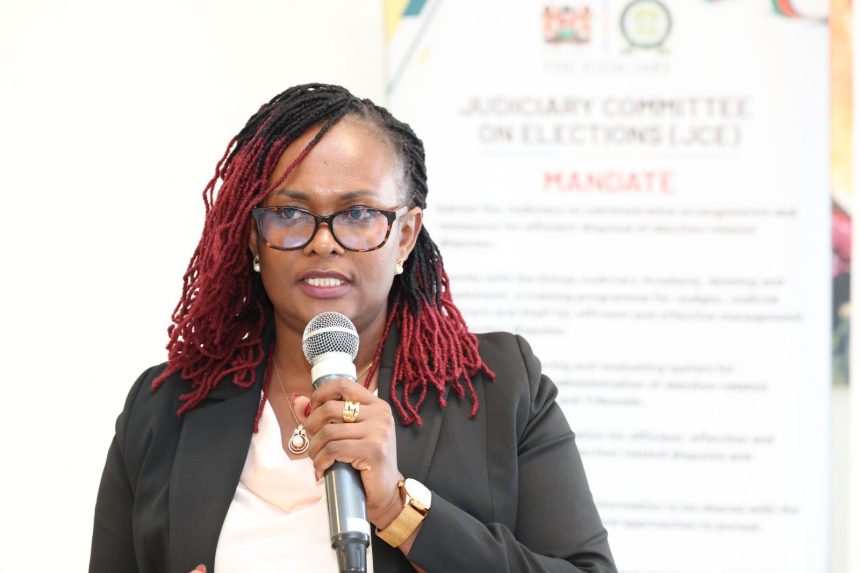
On her part Registrar of Magistrates’ Courts Caroline Kabucho said magistrates will play a critical role in handling election-related offences and petitions involving County Assembly seats.
Kabucho challenged judicial officers to prioritise the experience of court users, cautioning that delays in election cases could have serious consequences given the strict timelines governing their determination.
“Kenyans don’t judge us by neat spreadsheets, they judge us by how they are treated when they walk into our courts,” she said.
She added that preparations must be completed before disputes arise, noting that the constitutional timelines begin running as soon as an election petition is filed.
The training, being conducted in three cohorts, covers electoral law, statutory timelines, scrutiny and recounts, electoral technology, digital evidence and judgment writing.