Kenya is moving to formally integrate traditional medicine into its national health system.
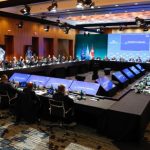
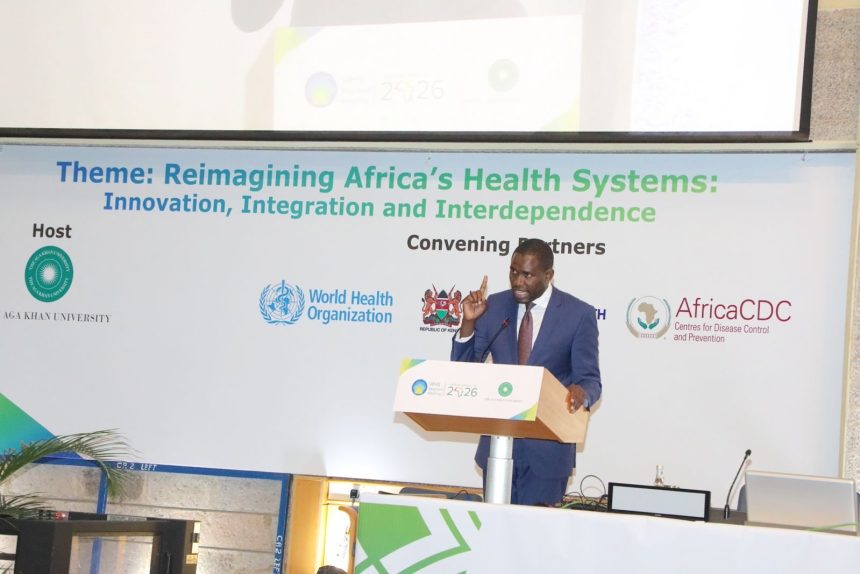
Speaking at a side event during the World Health Summit Regional Meeting 2026, Medical Services PS Dr. Ouma Oluga said the government will integrate Traditional, Complementary and Integrative Medicine (TCIM) into primary healthcare structures, backed by policy, regulation and quality controls.

He said the approach will target persistent system pressures such as rising treatment costs, antimicrobial resistance and a growing burden of non-communicable diseases by leveraging care pathways already used by a majority of communities.
According to the PS, traditional medicine remains the first point of care for up to 80 per cent of populations in sub-Saharan Africa, largely due to affordability and cultural acceptance.
Oluga indicated that Kenya’s Traditional Medicine Policy will anchor the rollout, with a focus on safety and evidence-based practice.
The plan includes formal referral linkages between conventional clinicians and traditional practitioners, alongside structured collaboration to improve continuity of care at the primary level.
He outlined parallel investments in research and clinical validation to close evidence gaps around traditional therapies, even as partnerships with academic institutions and global bodies are expected to support documentation, standardisation and innovation in the sector.
Oluga said the ministry is prioritising practitioner training and certification frameworks, as well as harmonised standards across the region to enable knowledge exchange and consistent quality assurance.
He urged development partners to support implementation financing, arguing that integration of traditional medicine is central to building resilient health systems across Africa.
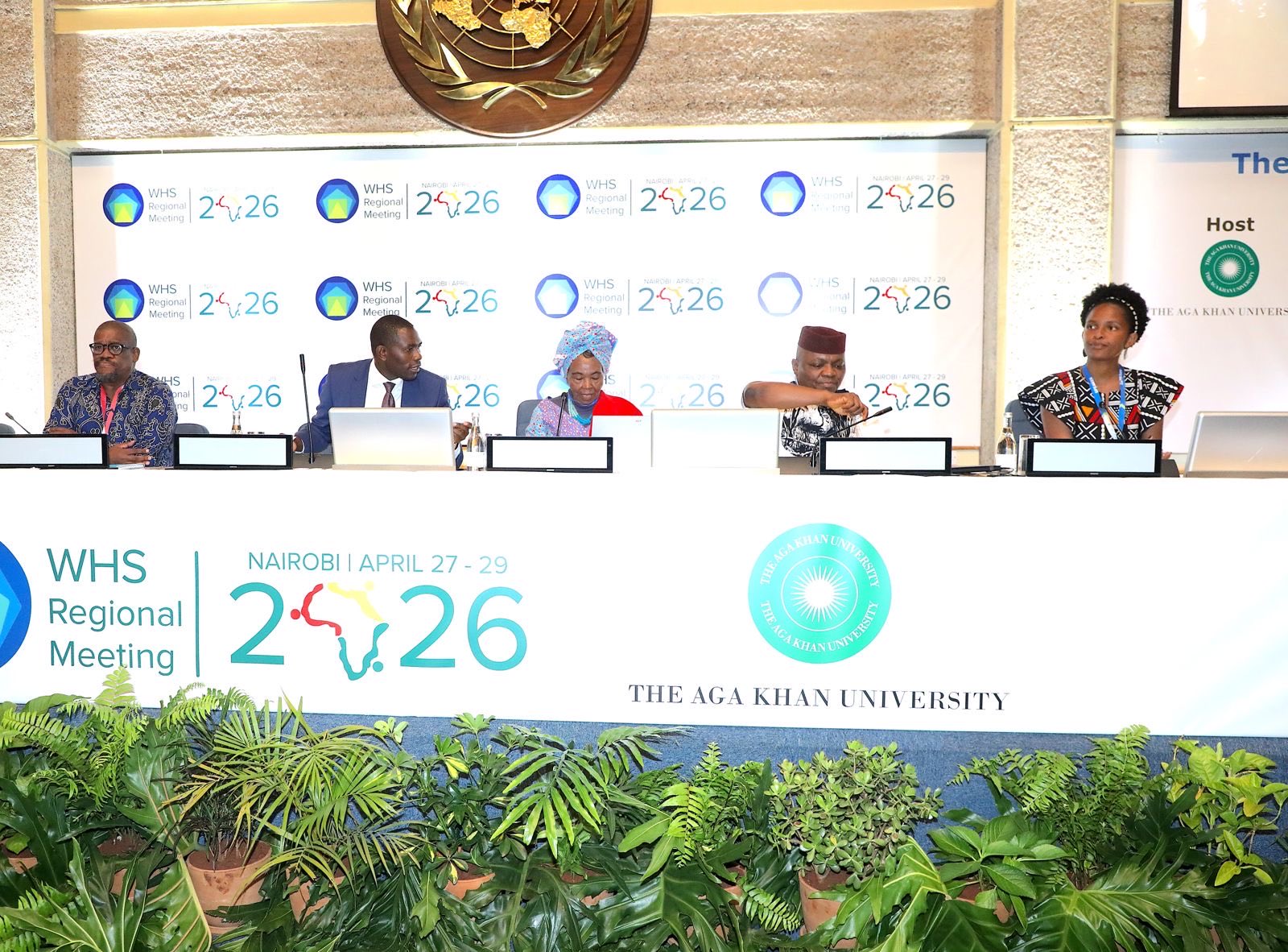
Key speakers root for inclusion
Some of the key speakers called for the inclusion of traditional medicine within national healthcare systems, particularly in Africa, where it is already functioning effectively for many communities.
Fionah Njeri, a Kenyan community-based researcher and herbalist, and founder of Tremendous Organics, said “Traditional medicine in Africa is already functioning as primary health care for many communities. Globally, nearly 80% of the population is on traditional and complementary medicines for primary healthcare.”
Other key highlights included the need for investment in research, as well as the development of stronger policies and legislation to ensure that conventional and traditional medicine operate alongside each other as parallel systems.
Dr. Hiba Boujnah, Head of Global Strategy and Partnerships and WHO Collaborating Center Coordinator at Charité Competence Centre for Traditional and Integrative Medicine expressed similar sentiments.
“Across Africa, traditional medicine remains a vital component of health and well-being. And it does remain the first point of care for many in Africa and around the world. And it is today undeniable that traditional medicine plays a crucial role in strengthening primary health care towards achieving universal health coverage.”
She added, “This momentum was particularly reinforced at the second WHO Global Summit on Traditional Medicine last December in India, whereby 27 countries participated.”