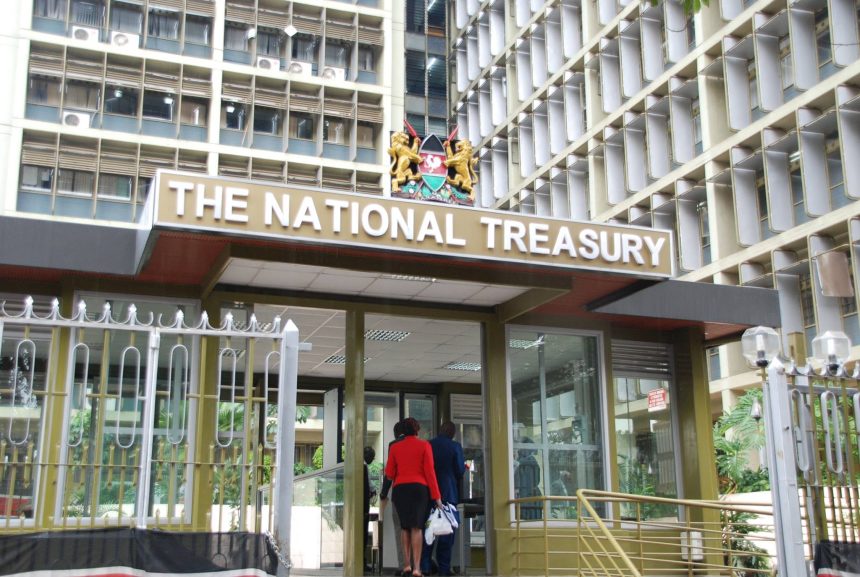
Kenya could reduce its high public debt distress by allocating part of proceeds from the National Infrastructure Fund (NIF) to retire some expensive debt.
According to the World Bank, Kenya’s public debt remains elevated on the back of growing domestic borrowing which increased to account for 56.2% of total debt as at the end of the 2025/26 fiscal year. In the year, public debt accounted for 69.9% of gross domestic product.

“This trend has deepened sovereign-bank linkages, increased refinancing risks, raised interest costs, and may constrain the availability of credit to the private sector. Kenya remains at high risk of debt distress, underscoring the need for a sustained fiscal consolidation and prudent debt management to rebuild fiscal buffers,” said the Word Bank in its 34th edition of Kenya Economic Update.
Latest data by the Central Bank of Kenya shows that as at August this year, total public debt has already climbed to Ksh 13.5 trillion.
Out of the total debt, domestic debt amounted to Ksh 7.7 trillion while external debt amounted to Ksh 5.8 trillion.
“Public debt reached about 70% of GDP in the middle of this year while interest payment absorbed about one third of government revenue. That means there is less resources available for essential services and development priorities,” said Dr Qimiao Fan, World Bank Division Director.
According to the bank, debt service costs continue to constrain the fiscal adjustment. In the last financial year, interest payments remained elevated at 5.8% attributed to growing share of domestic debt in the public debt portfolio.
The bank is now advising Kenya to tap parts of proceeds raised so far towards the NIF to reduce debt related expenses.
The government has been undertaking privatization and divestiture programmes targeting State Owned Enterprises (SOEs) with proceeds expected to create a Ksh 5 trillion fund to finance infrastructure projects across the country.
“While directing privatization proceeds to infrastructure could help address Kenya’s infrastructure gap, allocating part of the proceeds to retire high-cost debt could reduce interest costs, lower refinancing risks, and strengthen debt sustainability,” said the bank.
Already the government has capitalised the fund with Ksh 103.5 billion raised through the sale of its 65% stake in Kenya Pipeline Company while Ksh 204 billion raised through divestment of 15% shares held in Safaricom is also expected to be injected in NIF.