From fashion and handmade crafts to interior design and lifestyle content, Kenyan entrepreneurs are increasingly using social media to turn creative ideas into businesses, tapping into audiences that extend beyond traditional marketplaces.
Platforms such as TikTok have changed how consumers discover products, interact with brands and make purchasing decisions. For many small businesses, a compelling video or a well-told brand story can now be as important as having a physical shop.


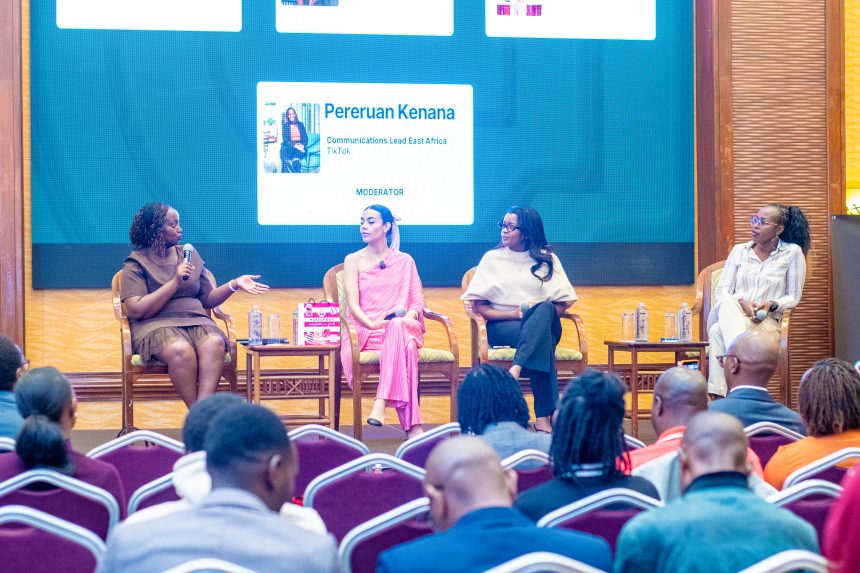
This shift was among the issues explored at a Nairobi gathering on Wednesday, November 18, organised by TikTok and the International Chamber of Commerce (ICC) as they launched the Digital Commerce Labs, an initiative intended to equip small businesses across Sub-Saharan Africa with digital commerce skills.
TikTok’s Head of Global Institution Engagement, Kushal Prakash, said the initiative was intended to help entrepreneurs benefit from the changing digital marketplace.
“We have seen how TikTok makes it easier for businesses to be discovered and influence purchase decisions through trends such as #TikTokMadeMeBuyIt. Social commerce has the power to unlock opportunities, level the playing field and equip Kenyan entrepreneurs with the tools to grow.”
In attendance to share their stories were content creators Cherie Kihato, founder of Savannah Space and a TikTok 2026 Global Discover List creator; Alix, founder of Mammacita in Pink; and Emmy Rono, Executive Director of Urembo Craft who shared their experiences of using digital content to communicate their brands, showcase their offerings and connect with potential customers.
Using their experiences, the forum aimed to showcase the wider change in how businesses approach marketing. Beyond advertising products, entrepreneurs are increasingly required to create content that tells stories, builds communities and gives audiences a reason to engage with their brands.
Dr Caroline Kaua, Director of Business Development, Marketing and Trade at the Micro and Small Enterprises Authority, said businesses needed the skills to adapt as digital platforms changed how consumers discovered and purchased products.
“Micro, small and medium enterprises play an important role in Kenya’s economy, creating jobs, supporting livelihoods and driving entrepreneurship,” she said. “As digital transformation continues to change how consumers discover and purchase products, it is important that our MSMEs have the skills and tools to adapt and take advantage of these changes.”
According to a GSMA survey, 49 per cent of Kenyan businesses sell online exclusively through social media, while another 13 per cent combine social platforms with a website or online marketplace.
More than 40 per cent of internet users in Kenya, Nigeria and South Africa have also purchased products through social commerce platforms.
However, converting online attention into sustainable business growth requires more than simply posting regularly. Entrepreneurs need to understand their audiences, develop engaging content and identify ways to turn digital interactions into sales.
The programme will offer online learning modules and virtual, trainer-led sessions covering digital presence, content creation, artificial intelligence-driven e-commerce tools and strategies for reaching domestic and international markets.
ICC Deputy Secretary General Julian Kassum said digital commerce could create new opportunities for entrepreneurship, trade and job creation.
“Digital commerce is a powerful engine for inclusive growth. By equipping small businesses with the tools and skills they need to participate in the digital economy, we are opening new pathways for entrepreneurship, trade and job creation.”