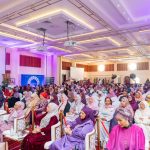
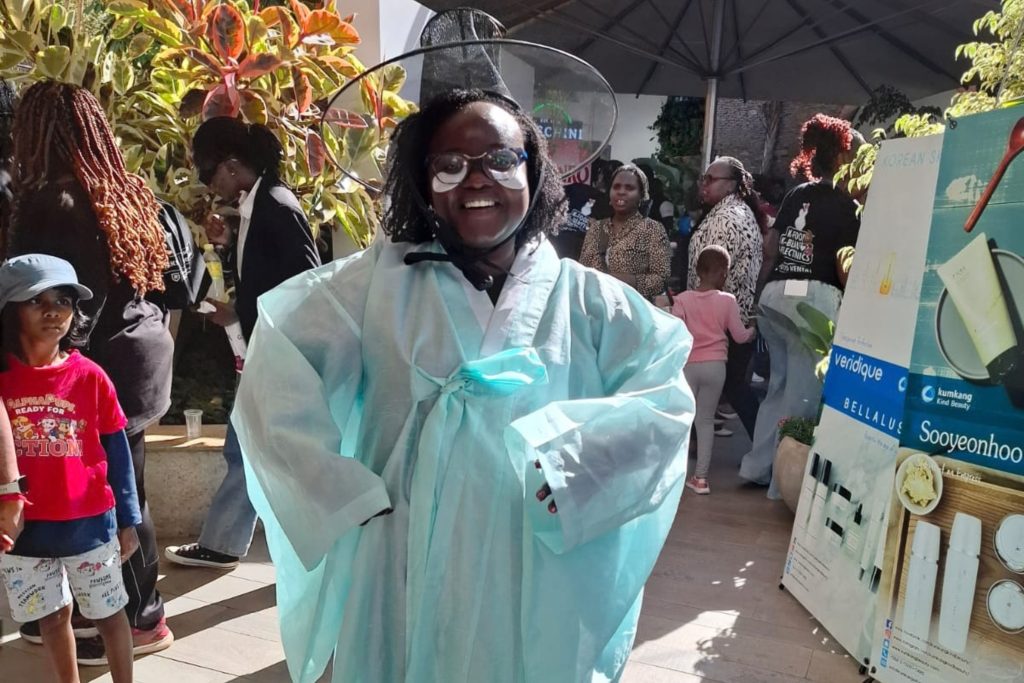
Korean food, beauty, electronics and pop culture took centre stage at Nairobi’s Village Market over the weekend as the K-Lifestyle 2026 showcase gave Kenyans an opportunity to experience contemporary Korean life.
Held on Saturday, October 3, the event brought together Korean brands, businesses, consumers and fans of Korean culture for a day that combined trade and cultural exchange.

The event was organised by the Korea Trade-Investment Promotion Agency (KOTRA) Nairobi in conjunction with the Embassy of the Republic of Korea in Kenya. KOTRA described the showcase as “an opportunity for buyers to explore Korean products and business opportunities, while giving members of the public a chance to discover Korean food, beauty and technology.”
Speaking during the opening of the event, Korean Ambassador to Kenya Kang Hyung-shik highlighted the importance of strengthening business ties and cooperation between Kenya and South Korea, saying that the relationship was based on “deep friendship, mutual trust and close cooperation.”
The commercial focus was evident across the venue, where visitors interacted with Korean products ranging from electronics and household technology to food and beverages.
Food was one of the attractions, which offered attendees an opportunity to sample Korean favourites including tteokbokki and kimchi pancakes. Korean alcoholic beverages, including Jinro and makgeolli, were also featured, offering visitors an introduction to drinks that are widely associated with Korean social and dining culture.
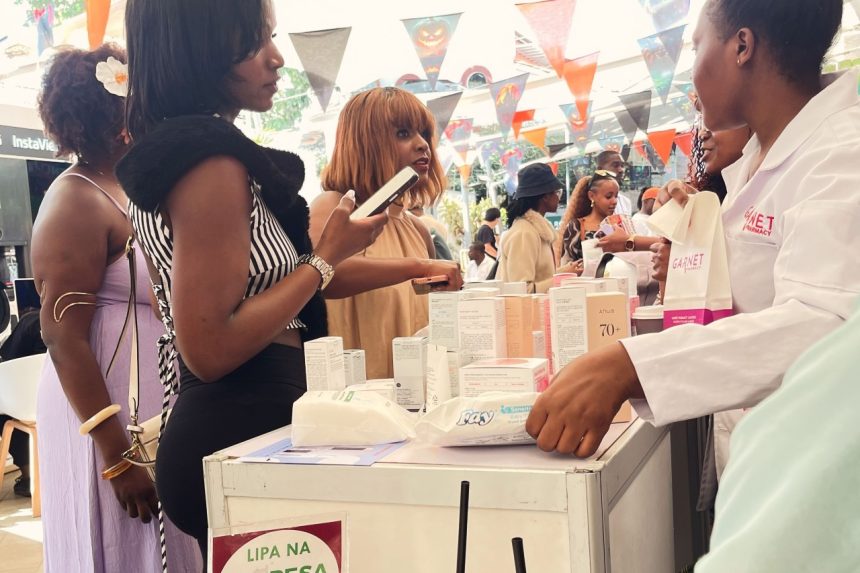
For many visitors, however, the Korean beauty stands appeared to be among the busiest sections of the showcase.
The popularity of K-beauty has grown well beyond South Korea, helped by the global reach of Korean popular culture, social media and the country’s reputation for innovative skincare products and routines. South Korean cosmetics exports reached a record US$11.43 billion in 2025, with Korean beauty products being shipped to 202 countries, according to Nielsen.
The event also reflected the continuing popularity of Korean entertainment in Kenya. K-pop fans took part in dance sessions and quizzes, with prizes adding a competitive element to the cultural experience.
Interest in K-pop among Kenyans has been visible for years. In December 2025, approximately 1,000 fans attended the K-pop Festa at KALRO Garden in Nairobi, where the Korean Embassy’s ambassador participated in the event and presented prizes to competition winners.
The connection between Kenyan audiences and Korean popular culture also has a longer history. A study of Korean cultural consumption in East Africa found that 75.3 per cent of respondents said they watched Korean films or dramas or listened to K-pop, with YouTube identified as the leading platform through which many first encountered Korean popular culture.
The showcase is one of many that the country has hosted over the years, as South Korea, through its Ministry of Foreign Affairs, continues to use its cultural exports as a bridge to international markets.