The Kenya Veterinary Association (KVA) has called for increased government investment in veterinary services.
The association warns that underfunding and a demotivated workforce in the sector are undermining efforts to improve livestock production and control animal diseases.

The association made the appeal as it marked 60 years since its formation, reflecting on its contribution to animal health, food security and protection of public health.
The KVA, established in 1966, is the country’s membership body for veterinary surgeons.
KVA President Dr Kelvin Osore said the association has evolved significantly since its early years, when membership was restricted to white veterinarians under its then affiliation with the British Veterinary Association.
Today, the association brings together veterinarians from across the country and has expanded its role beyond treatment of sick animals to advocating for policies and practices that improve livestock productivity and protect both animals and people.
The association, however, said veterinary services continue to face challenges, particularly following devolution, which has seen veterinary functions transferred to county governments.
The association also raised concerns over the welfare of veterinary surgeons, saying the workforce remains demotivated because of unresolved disparities in salaries and allowances compared with other health professionals.
The concerns come amid efforts to increase milk production in Kenya, where demand continues to outstrip domestic supply.
The KVA said veterinarians should increasingly focus on improving animal productivity rather than limiting their role to treating diseases.
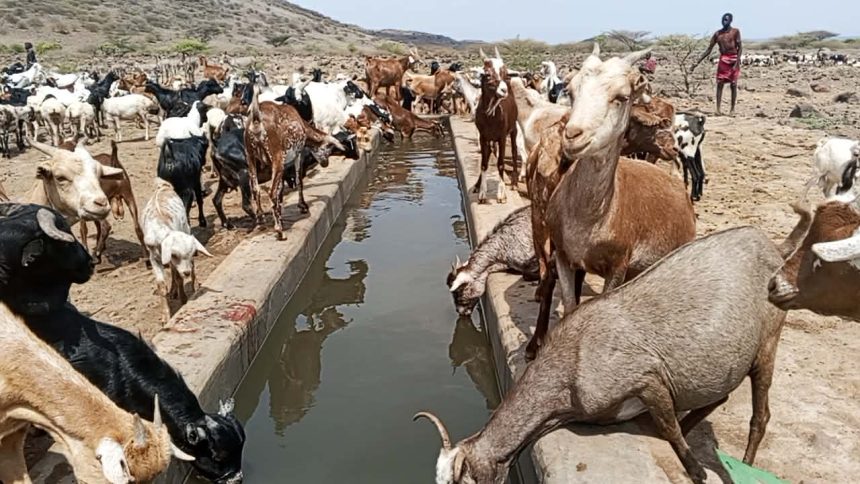
Kenya’s milk production is affected by several factors, including inadequate access to quality animal feeds and the country’s climatic conditions. About 60% of the country is classified as arid and semi-arid, creating additional challenges for livestock farmers.
The association called for greater investment in feed production and improved access to affordable veterinary services as part of efforts to raise productivity.
It also urged the government to strengthen preparedness for extreme weather events, including droughts and El Niño-related flooding.
The KVA said farmers in vulnerable areas should have access to adequate feed reserves before extreme weather events occur, while veterinary authorities should intensify disease surveillance and vaccination campaigns.
Rift Valley fever was cited as one of the diseases that could spread following flooding, with the association calling for targeted vaccination in areas that have previously experienced outbreaks.
The association also warned that climate shocks could expose livestock farmers to losses if feed supplies, water sources and disease-control systems are not adequately protected.
Beyond livestock, the KVA urged pet owners to take animal health seriously, particularly through routine vaccination of dogs and cats.
Rabies remains a major public health concern, particularly among vulnerable rural communities. The association said mass vaccination of dogs and cats remains one of the most effective ways of preventing human deaths from the disease.
The KVA said stronger investment in rabies prevention would help reduce the burden of a disease that disproportionately affects poor and rural communities.
As it enters its seventh decade, the association said Kenya’s livestock sector has significant potential to contribute to economic growth and improve rural livelihoods if treated as a commercial enterprise.
It urged farmers to invest in quality feeds, maintain healthy animals and establish regular access to veterinary services.
The association also called on government and other stakeholders to match their recognition of the livestock sector’s contribution to the economy with increased financial and technical support.