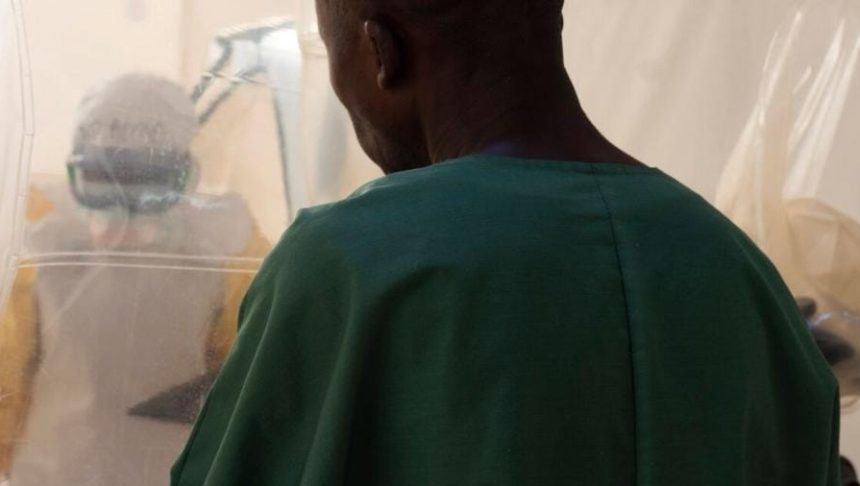
The World Health Organization (WHO) has launched a major international clinical trial in the Democratic Republic of the Congo (DRC) to evaluate potential treatments for Bundibugyo Ebola virus disease, as the country’s outbreak continues to claim lives, with more than 500 deaths reported.
The PARTNERS (Platform Adaptive Randomised Trial for New and Repurposed Filovirus TreatmentS) study began enrolling patients on July 2 to assess whether two antiviral therapies, monoclonal antibody MBP134 and remdesivir, can improve survival rates among people infected with the Bundibugyo strain of the Ebola virus.

Researchers will also examine whether combining the two treatments offers greater benefits than using either drug alone.
The trial is sponsored by WHO and coordinated by the DRC’s Institut National de Recherche Biomédicale (INRB), Belgium’s Institute of Tropical Medicine and the University of Oxford, working with international research, clinical and humanitarian partners, with support from Africa CDC.
The launch comes as the DRC battles its worst Bundibugyo Ebola outbreak in years. More than 1,400 people have been infected, over 210 have recovered and more than 506 have died, underscoring the urgent need for effective therapies.
Unlike the Zaire strain of Ebola, for which approved treatments exist, there are currently no licensed therapeutics specifically targeting Bundibugyo Ebola virus disease.
WHO Director-General Dr Tedros Adhanom Ghebreyesus said the trial offers hope for communities at the centre of the outbreak.
“Even without approved therapeutics, people are recovering from this disease, but of course, we could save many more lives with safe and effective therapeutics in our toolkit,” he said.
“The PARTNERS trial, established with national authorities and scientific partners in record time, offers real hope that we can deliver concrete results for, and with, the communities at the heart of the outbreak.”
The platform trial has been designed to allow additional experimental treatments to be introduced as evidence emerges and they receive approval from WHO’s Technical Advisory Group.
Professor Amanda Rojek, PARTNERS Trial Operations Lead and Associate Professor of Health Emergencies at the University of Oxford’s Pandemic Sciences Institute, said conducting research during an outbreak is critical to improving patient care.
“We urgently need treatments that can help people affected by Bundibugyo virus disease. One of the key lessons from recent outbreaks is that research needs to happen alongside the response, not after it,” she said.
“The PARTNERS trial gives us an opportunity to evaluate potential treatments during the outbreak itself, so that the evidence generated can help inform patient care when it is needed most, in months rather than years.”
INRB Director-General Professor Jean-Jacques Muyembe-Tamfum said integrating the trial into routine clinical care would allow patients to access promising investigational treatments while generating evidence to improve responses to future outbreaks.
The randomized controlled trial is open to patients of all ages with confirmed Bundibugyo Ebola virus disease. Participants will receive supportive treatment, including fluid replacement, oxygen therapy, blood pressure management and pain relief, in line with WHO treatment guidelines.
DRC Health Minister Dr Samuel Roger Kamba said the country was demonstrating its commitment to science-driven outbreak response.
“The launch of the PARTNERS clinical trial represents a significant step forward, offering renewed hope to patients, their families, and affected communities. Findings from this study could contribute to identifying more effective therapeutic options, helping to save lives during the current outbreak while strengthening global preparedness for future Ebola epidemics,” he said.
The trial is being implemented in partnership with the DRC Ministry of Public Health, ALIMA (The Alliance for International Medical Action), Médecins Sans Frontières (MSF) and outbreak response teams. An independent data and safety monitoring board will regularly review the study’s findings.
WHO said the PARTNERS platform is intended to operate across future Ebola and Marburg outbreaks, creating a sustainable mechanism for rapidly testing promising therapies and strengthening global preparedness against deadly viral haemorrhagic diseases.